

KNUST Joins €11m Global Consortium to Advance Dengue Vaccine
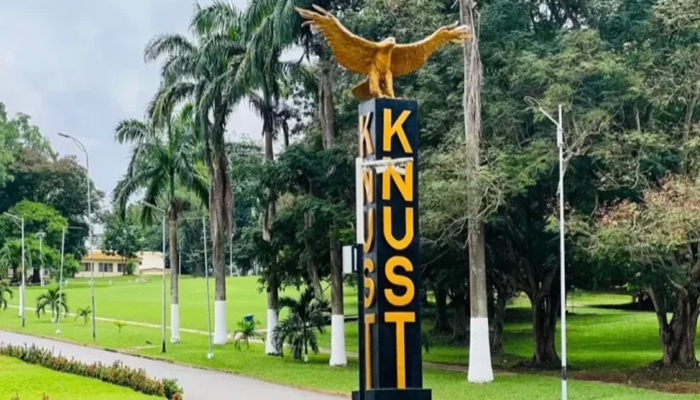
The Kwame Nkrumah University of Science and Technology (KNUST) has become a key African partner in a major international research initiative aimed at accelerating the development and deployment of a promising dengue vaccine across sub-Saharan Africa and other regions.
The initiative, known as the DENSTAR Project, is a four-year global consortium focused on evaluating DengiAll, a single-dose tetravalent live-attenuated dengue vaccine designed to protect against all four serotypes of the dengue virus.
The project officially commenced on June 1, 2026, and is funded through the Global Health European & Developing Countries Clinical Trials Partnership 3 Joint Undertaking (GH EDCTP3 JU), with support from the European Union. It has secured more than €11 million to support vaccine research, clinical trials and regulatory processes.
KNUST to host Phase III clinical trials
As part of the collaboration, KNUST’s School of Public Health will play a central role by hosting Phase III clinical trials in Africa. The university is expected to contribute significantly to assessing the safety and effectiveness of the vaccine among African populations.
The consortium brings together ten institutions from nine countries, including leading universities, research institutes, biotechnology firms and public health agencies from Africa, Europe, Asia and North America.
Among the participating institutions are Johns Hopkins University in the United States, the University of Siena in Italy, Universitätsklinikum Heidelberg in Germany, the International Vaccine Institute in South Korea, Panacea Biotec Limited in India, and several research centres in Gabon, Mozambique and the Democratic Republic of Congo.
Addressing a growing public health threat
Dengue fever, a mosquito-borne viral disease, is increasingly emerging as a public health concern in sub-Saharan Africa, driven by climate change, rapid urbanisation and rising insecticide resistance.
While many cases are mild, severe dengue can lead to haemorrhage, organ failure, shock and death. Despite its growing prevalence, there is currently no specific antiviral treatment, and existing vaccines have limitations that restrict their widespread use.
The DENSTAR Project seeks to address these gaps through the development and evaluation of DengiAll, which does not require prior serological screening before administration—an advantage expected to improve accessibility in low- and middle-income countries.
Controlled trials and global collaboration
The consortium will conduct Phase I and Phase III clinical studies involving healthy adults and children in Africa to assess safety and efficacy. It will also implement Controlled Human Infection Model (CHIM) studies to evaluate protection against Dengue Virus Serotype 4, for which no vaccine has yet demonstrated proven effectiveness.
Project Coordinator and Deputy Rector of the University of Siena, Professor Donata Medaglini, described DENSTAR as a landmark public-private partnership bringing together global expertise in vaccine development.
Chief Scientific Officer of Panacea Biotec Limited, Dr Khalid Ali Syed, said the initiative could significantly reduce dengue infections, improve quality of life and ease pressure on health systems globally.
KNUST highlights growing research leadership
Professor Ellis Owusu-Dabo of the KNUST School of Public Health, who serves as Scientific Project Lead for DENSTAR, said dengue infections are becoming increasingly common in sub-Saharan Africa and can be life-threatening in severe cases.
He noted that KNUST’s role in hosting Phase III trials reflects the university’s expanding leadership in global health research and its commitment to generating evidence to support vaccine deployment across Africa.
KNUST described its participation as an important step in strengthening Africa’s capacity to contribute to cutting-edge vaccine research and ensuring that emerging health solutions are effectively tested and adapted for local populations.



