Internet Connectivity Must Be Treated as a Human Right – Telecel Cash & Digital MD

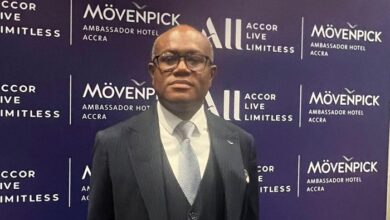
Managing Director of Telecel Cash and Digital Transformation, Philip Amoateng, has called for internet connectivity to be recognised as a fundamental human right, arguing that Ghana’s ambition to build a fully inclusive digital economy cannot be achieved without prioritising digital infrastructure alongside traditional development projects.
He made the remarks at the 10th Ghana CEO Summit held in Accra, where business leaders, policymakers and government officials gathered under the theme “From Vision to Action: Leadership, Technology and Industrialisation as Catalysts for Ghana’s Economic Transformation.” President John Dramani Mahama served as Special Guest of Honour and delivered the keynote address.
Digital infrastructure as national priority
Mr. Amoateng stressed that Ghana’s development planning has historically focused heavily on physical infrastructure such as roads and bridges, while neglecting the integration of internet connectivity as a foundational utility.
“As a nation, we tend to focus on only physical highways in building national infrastructure, without thinking about incorporating internet connectivity from the foundation,” he said. “If we are serious about connecting every community in Ghana, our national focus must be to prioritise digital infrastructure in every single development plan.”
He further proposed that all second-cycle educational institutions should be connected to reliable internet as part of efforts to bridge the digital divide and prepare young people for a technology-driven economy.
Telecom sector leadership and industry concerns
At the same event, Telecel Ghana Chief Executive, Ing. Patricia Obo-Nai, was honoured with the CEO of the Year – Telecom award, in recognition of her leadership and the company’s sustained growth in revenue, profitability and customer expansion.
Mr. Amoateng also raised concerns about spectrum licensing policies, cautioning that high upfront licence fees, while beneficial for short-term government revenue, could slow down long-term digital expansion.
He pointed to Ghana’s 5G rollout process as an example where policy balance is needed, calling for financing models and incentives that encourage telecom operators to expand coverage to rural communities and public institutions.
Call for balanced policy and inclusive growth
He urged policymakers to adopt a more development-oriented approach to digital regulation, where operators are rewarded for expanding access rather than being constrained by cost barriers.
According to him, sustainable digital transformation requires collaboration between government and the private sector, particularly in extending connectivity to underserved communities.
Outlook
Now in its tenth year, the Ghana CEO Summit continues to serve as a key platform for dialogue between business leaders and policymakers, aimed at shaping practical solutions to accelerate Ghana’s economic transformation through innovation, industrialisation and public-private collaboration.