

IMF projects Ghana’s public debt to reach 60% of GDP
By Praisebell Rosemond Larbi
The International Monetary Fund (IMF) expects Ghana’s total public debt to climb to about 60 per cent of Gross Domestic Product (GDP) by the close of 2025, reflecting the effects of recent debt restructuring that have sharply lowered the country’s debt burden and eased repayment pressures.
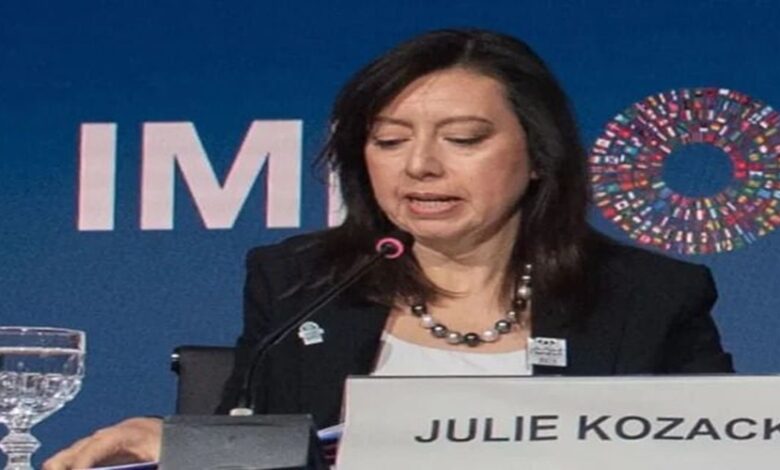
Speaking at a press briefing in Washington, D.C., IMF Communications Director Julie Kozack said the projected ratio represents a significant improvement in Ghana’s debt outlook compared to pre-restructuring levels.
“The recent debt restructuring agreement has significantly improved debt service indicators for Ghana. This marks a specifically steep reduction in Ghana’s public debt and provides much-needed fiscal space to support economic recovery and investment,” Ms Kozack noted.
Path to Fiscal Sustainability
Ms Kozack stressed that while the restructuring has put Ghana on a firmer path toward debt sustainability, the gains must be reinforced by deeper reforms.
“To sustain this decline, Ghana needs to continue boosting domestic revenue, strengthening public financial management, and maintaining strict fiscal discipline,” she added.
Current Debt Position
The Bank of Ghana’s June 2025 data shows the country’s total debt stock at GHS613 billion, equal to 43.8 per cent of GDP, following the domestic and external debt exchange programmes.
This represents a dramatic fall from debt ratios that exceeded 70 per cent before the restructuring began.
The IMF believes the combination of lower interest payments and extended maturities under the restructuring deal will help Ghana redirect resources toward growth-oriented spending, including infrastructure, social programmes and private-sector support.
Economic Outlook
Analysts view the IMF’s 60 per cent end-2025 forecast as a sign of gradual but controlled debt accumulation as Ghana finances its budget and development priorities while staying within sustainable limits.
The IMF maintains that continued vigilance, particularly in revenue mobilisation and expenditure management, will be essential to keep debt on a declining long-term trajectory and safeguard the country’s hard-won fiscal stability.



