

Lithium mining: Craft fiscal terms to ensure govt maximizes revenue
Story: Isaac AIDOO, Accra
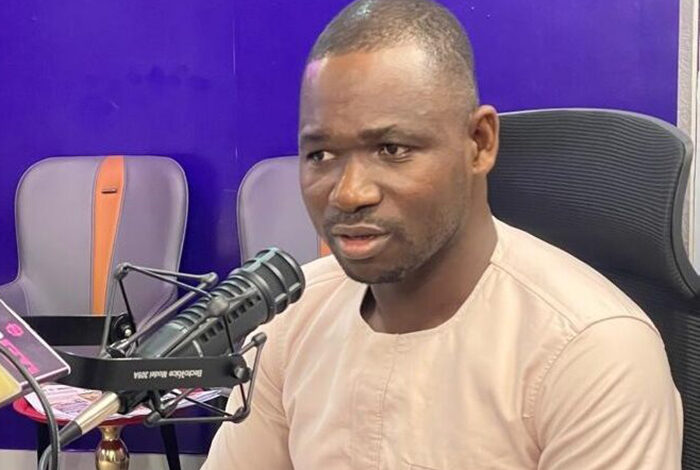
IN light of Ghana’s increasing focus on lithium and other critical mineral leases, resource economist and policy analyst with the Natural Resource Governance Institute (NRGI), Denis Ggeyir, has called for a balanced approach in the structuring of fiscal terms that will govern the agreements.
His analysis, focused on Ghana’s emerging role in the global lithium market, underscores the need to attract investment while maximizing government revenues.
Speaking on the dynamics of the lithium market, Mr. Ggeyir emphasized that Ghana is not the only country with lithium resources. He noted that globally competitive regions like the Southern African Development Community (SADC) — comprising Zimbabwe, Namibia, and the Democratic Republic of Congo — are key players.
The world’s leading lithium producer, Western Australia, and the original “lithium triangle” in Latin America (Chile, Bolivia, and Argentina) further highlight the competitive nature of the global market.
“Ghana’s lithium is hard rock lithium, which requires significant capital-intensive processes such as blasting, assembling, and extraction,” Ggeyir explained, contrasting this with the brine lithium in Latin America, which involves a simpler process akin to salt production.
Key Considerations for Ghana’s Lithium Strategy
• Balancing Revenue and Investment
Ggeyir stressed the importance of crafting fiscal terms that enable the government to maximize revenue without deterring investment. “Mining companies often invest for years before production begins. Some concessions take up to 15 years from exploration to development,” he noted. During this period, companies bear all costs, which necessitates a careful approach to avoid discouraging future investments.
• Profit Flexibility Mechanisms
The economist highlighted the need for mechanisms that align government earnings with company profitability. “If a company achieves a return on investment of over 100%, what measures are in place to ensure the state captures a portion of those profits? Conversely, if profits decline, government takings should adjust proportionately,” he argued. Such flexibility is vital to incentivize reinvestment into other projects.
• Encouraging Broader Development
Ggeyir pointed out that beyond the current operational mine, there are six other potential lithium projects in Ghana. Overly rigid fiscal terms for one project could deter investments in these additional opportunities.
Ghana’s Position in the Global Market
As the country seeks to establish itself as a key player in the critical minerals sector, Ggeyir’s insights serve as a reminder of the complex global competition. He highlighted the necessity for strategic partnerships and policies that enhance the attractiveness of Ghana’s mining sector, while ensuring that the nation benefits equitably from its resources. With demand for lithium rising due to the global energy transition, Ghana’s approach to its lithium and critical mineral leases could set a precedent for sustainable resource management in the region.



