

Namibia Blocks Starlink Licence Over Local Ownership Rules
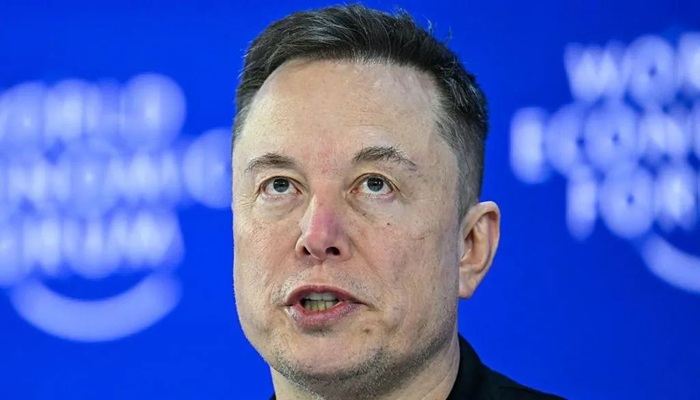
Namibia has rejected an application by satellite internet provider Starlink, owned by Elon Musk, to operate in the country, citing regulatory requirements on local ownership and dealing the firm another setback in southern Africa.
The Communications Regulatory Authority of Namibia, Communications Regulatory Authority of Namibia, confirmed the decision, noting that Starlink’s local subsidiary did not meet the country’s ownership criteria. Namibian law requires at least 51 percent local ownership in telecommunications companies, a policy rooted in efforts to promote economic inclusion following independence in 1990.
While the regulator did not provide detailed reasons for the rejection, it indicated that the matter could be revisited. “Cran may reconsider its decision on its own motion or on a petition filed by an aggrieved party within 90 days,” the authority stated.
Starlink has yet to respond publicly, but the company has previously maintained that it is committed to local partnerships. On its website, it says it has established a Namibian entity and plans to collaborate with local firms to create jobs and expand connectivity. “We aim to partner with Namibian businesses and create employment opportunities,” the company noted.
The decision follows earlier action by Cran in 2024, when it ordered Starlink to halt operations for allegedly providing services without a licence. The regulator also warned residents against purchasing its equipment. “The public is advised not to purchase Starlink terminal equipment or subscribe to its services, as doing so would be illegal,” Cran cautioned at the time.
The development mirrors similar regulatory challenges in South Africa, where Starlink has also been unable to launch due to ownership requirements. Musk has criticised such policies, arguing they restrict foreign investment. “Starlink is not allowed to operate in South Africa simply because I’m not black,” he said in a post on X.
However, South African authorities have defended the rules, insisting companies can operate if they comply. Analysts say the standoff highlights ongoing tensions between national regulations and global tech expansion.



