

Burkina Faso’s Tomato Import Ban: A Wake-Up Call for Ghana’s Agricultural Strategy
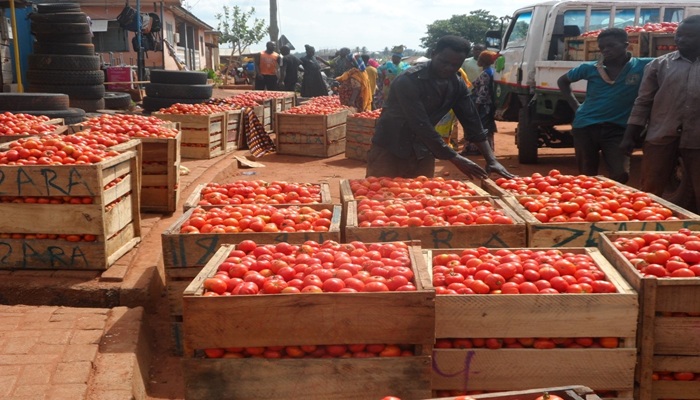
The recent decision by Burkina Faso to ban tomato imports has sent ripples through West Africa’s agricultural markets, reigniting debates about food security, trade dependency, and domestic production in Ghana. While the move directly impacts cross-border trade and regional tomato markets, it also carries broader lessons for Ghana, a country that remains heavily reliant on imported raw materials and processed foods to satisfy domestic demand. The question now is whether Ghana can transform this challenge into an opportunity to strengthen its agricultural sector and reduce vulnerability to external shocks.
The Situation at Hand
Burkina Faso’s ban is primarily motivated by the need to protect its local farmers and bolster domestic tomato production. By restricting imports, the government aims to stabilize prices, ensure adequate market access for local producers, and reduce the outflow of foreign currency. While the policy may benefit Burkina Faso’s farmers, it exposes the fragility of regional food supply chains and highlights the risks associated with over-reliance on cross-border agricultural imports.
For Ghana, the implications are immediate. Ghana exports tomatoes and tomato-based products to neighboring countries, including Burkina Faso. The ban threatens to reduce export earnings, disrupt regional trade relationships, and depress prices for local producers who had anticipated robust demand from the Burkinabe market. Smallholder farmers in the Northern, Upper East, and Upper West regions, key tomato-growing zones could be particularly affected, facing the risk of unsold produce and lost income.
Lessons for Ghana
Burkina Faso’s move is a stark reminder that food security and agricultural self-sufficiency cannot be taken for granted. Ghana imports a significant portion of its processed food ingredients, including tomato paste, canned tomatoes, and other essential inputs. Domestic farmers often face challenges such as inadequate access to finance, poor irrigation infrastructure, and limited mechanization, which restrict their productivity and ability to compete with imports.
The tomato import ban should serve as a wake-up call for Ghanaian policymakers to prioritize domestic agricultural development. Investing in modern farming techniques, improving access to fertilizers and quality seeds, and enhancing cold storage and processing facilities could help local farmers increase yields and meet both domestic and regional demand. It also underscores the importance of value addition, turning raw tomatoes into paste, sauces, and packaged products to capture more revenue and reduce dependence on imports.
Economic and Regional Implications
From a macroeconomic perspective, reduced tomato exports to Burkina Faso may have a modest impact on Ghana’s overall trade balance, but the symbolic lesson is larger. It highlights the vulnerability of Ghana’s agricultural sector to regional policy shifts and geopolitical developments. Countries that rely too heavily on neighboring markets for exports may find themselves exposed when policies change, tariffs are imposed, or import bans are enacted.
Furthermore, the situation raises questions about regional agricultural integration. The Economic Community of West African States (ECOWAS) has long promoted free movement of goods, services, and people. However, national interests, such as protecting local farmers, can sometimes clash with regional trade commitments. Ghana must be prepared to navigate these tensions while simultaneously building domestic production capacity to reduce dependency on exports and imports alike.
Opportunities Amid Challenges
While the import ban may initially hurt Ghanaian exporters, it also presents opportunities for strategic action. Strengthening domestic tomato processing and storage capacity could allow Ghana to absorb excess supply, reduce post-harvest losses, and maintain stable incomes for farmers. Investment in agro-processing zones, cold chain infrastructure, and modern farming cooperatives can transform the sector from a subsistence-focused industry into a commercial powerhouse.
Moreover, diversifying export markets is critical. Ghana cannot rely solely on Burkina Faso or any single market. Expanding access to other regional and international markets, coupled with competitive pricing and quality standards, can shield farmers from the consequences of sudden policy changes in neighboring countries.
The Role of Government and Policy Makers
Ghana’s government has a pivotal role to play. Policy interventions should include targeted support for smallholder tomato farmers, such as subsidized inputs, access to affordable credit, and technical training in sustainable farming methods. Additionally, promoting public-private partnerships in agro-processing can help ensure that increased production is matched by processing capacity, minimizing waste and increasing the value of domestic produce.
Encouraging research and innovation in agriculture is also vital. Drought-resistant tomato varieties, efficient irrigation systems, and mechanized farming techniques can boost productivity and reduce Ghana’s vulnerability to climate shocks and market fluctuations.
Conclusion
Burkina Faso’s tomato import ban is more than a regional trade disruption, it is a wake-up call for Ghana. It exposes the country’s reliance on regional demand for agricultural exports and underscores the need to strengthen domestic production, processing, and value addition.
For Ghana to remain competitive, resilient, and economically sustainable, policymakers, farmers, and the private sector must work together to build a self-sufficient agricultural system capable of withstanding external shocks. By investing in productivity, infrastructure, and market diversification today, Ghana can transform challenges like import bans into opportunities for long-term growth, regional leadership, and economic stability.
In the end, Ghana’s tomato story is not just about a vegetable, it is a litmus test for the country’s readiness to take control of its agricultural destiny and reduce its dependence on uncertain regional markets.



