

Cheaper fuel, pricier hopes
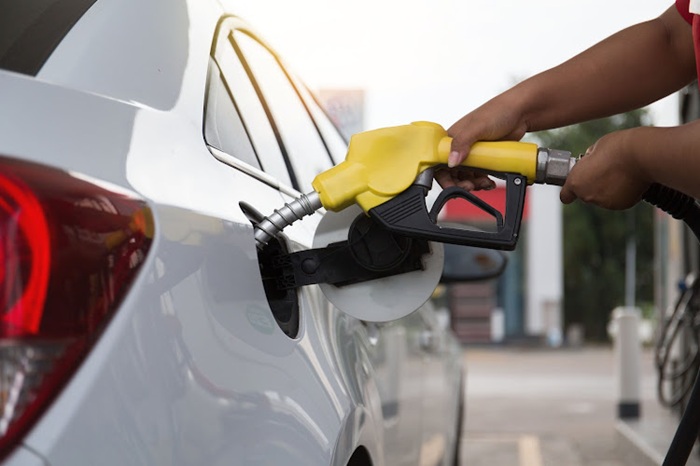
The projected drop in fuel prices, driven by the recent appreciation of the cedi, offers a rare moment of relief for Ghanaians. Petrol and diesel are expected to fall by over 4 per cent, with liquefied petroleum gas (LPG) also seeing a similar reduction. While this may seem like a small shift, its ripple effects on the lives of ordinary citizens are far-reaching.
For market women, who transport goods from farms to urban centres, lower fuel costs mean reduced transport expenses. This could help stabilise food prices, especially in a season where inflation has already strained household budgets. Commuters who rely on trotros and taxis may not see immediate fare reductions, but the pressure on operators to increase prices will ease. For vehicle owners, the savings at the pump offer a welcome break from months of rising costs.
Households that depend on LPG for cooking will also benefit. A drop in LPG prices means more affordable meals and less pressure on family finances. In a country where many live on tight margins, even modest reductions in fuel costs can make a meaningful difference.
Yet, this relief must be more than temporary. It must be matched by deliberate efforts to ensure that gains from currency stability are sustained. The government must continue to pursue sound fiscal policies, and oil marketing companies must pass on the full benefits to consumers without delay.
This is also an opportunity to strengthen transparency in fuel pricing. Ghanaians deserve to see the impact of macroeconomic improvements reflected in their daily lives. If the cedi is gaining, and global oil prices are stable, then the consumer must feel it at the pump.
The drop in fuel prices is not just an economic statistic. It is a test of whether Ghana’s economic recovery can be felt beyond boardrooms and policy briefs. It is a chance to restore public confidence, ease the burden on struggling families, and support small businesses.
But hopes are high and if this relief is not protected and expanded, those hopes may become just another cost Ghanaians are forced to bear.



