

Ebola Cases in DRC Rise to 1,500 in the Period of Three Months
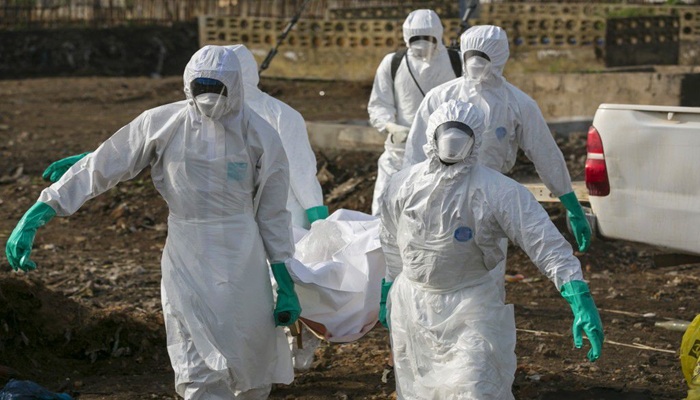
The Ebola outbreak in the Democratic Republic of the Congo (DRC) is worsening, with government figures showing more than 1,500 confirmed cases and at least 473 deaths. Health officials say the situation is one of the country’s deadliest health emergencies in recent years.
The virus has spread across three eastern provinces, Ituri, North Kivu, and South Kivu, where medical teams are struggling to contain infections. Communities in these areas have been hit hard, with families losing loved ones and hospitals overwhelmed by the rising number of patients.
The outbreak is linked to the Bundibugyo strain of Ebola. This strain has proven especially difficult to manage because it spread undetected for weeks while scientists were testing for the more common Zaire strain. Unlike the Zaire strain, which has vaccines available, Bundibugyo currently has no approved vaccine or treatment. This has made the fight against the disease even more challenging.
Health experts explain that Ebola spreads through direct contact with the bodily fluids of infected people, contaminated materials, or the bodies of victims during funerals. In many communities, traditional burial practices have made it harder to stop transmission. Families often insist on touching or preparing the bodies of loved ones, which increases the risk of infection.
Despite these challenges, there is renewed hope. Clinical trials began this week for what researchers believe could become the first effective treatment for the Bundibugyo strain. Scientists say the trials are an important step toward finding a solution that could save lives and prevent future outbreaks.
International health organisations, including the World Health Organization (WHO), are supporting the trials and providing resources to Congolese health authorities. The trials are being conducted in affected provinces, with volunteers participating under strict medical supervision. If successful, the treatment could mark a breakthrough in the global fight against Ebola.
Local leaders have urged communities to cooperate with health workers and follow safety guidelines. They stress that prevention measures such as avoiding contact with infected individuals, practicing safe burials, and reporting suspected cases quickly are key to stopping the spread.
The government has also called for more international support, noting that the scale of the outbreak requires resources beyond what the country can provide alone. Aid agencies are working to deliver protective equipment, medical supplies, and training for frontline workers.
For many families, however, the crisis is deeply personal. Survivors describe the trauma of losing relatives and the fear of infection spreading through entire villages. Parents worry about their children’s safety, while health workers face exhaustion and risk as they continue to treat patients.
The outbreak has also raised questions about preparedness. Experts say stronger health systems, better surveillance, and faster response times are needed to prevent future epidemics. They argue that lessons from this crisis must lead to long term investment in healthcare infrastructure across Africa.
As the trials move forward, hope is rising that science may finally deliver a treatment for the Bundibugyo strain. But for now, the people of eastern Congo remain at the centre of a dangerous outbreak, fighting for survival while the world watches closely.



