

Burkina Faso, Mali and Niger Begin ICC Withdrawal Process
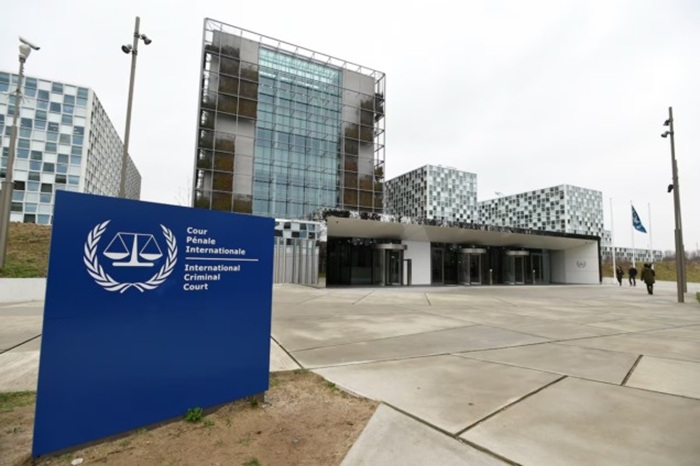
Burkina Faso, Mali and Niger have started the formal process of leaving the International Criminal Court (ICC). The ICC confirmed in a statement that the three West African countries have submitted official letters to withdraw from the Rome Statute, the treaty that created the court.
The military governments of the three nations first announced their decision in September, describing the ICC as “a tool of neocolonial repression.” They argued that the court unfairly targets African countries while ignoring abuses elsewhere.
The ICC is the world’s permanent war crimes tribunal. It prosecutes individuals accused of genocide, crimes against humanity, war crimes, and the crime of aggression when national courts are unwilling or unable to act. Rights groups have accused Islamist militants, as well as the armed forces of Burkina Faso and Mali, of committing possible atrocities in recent years.
The withdrawal process takes one year to complete. During this period, the countries remain bound by obligations they accepted while they were members. This means they cannot escape responsibility for crimes committed before their withdrawal becomes final.
The ICC statement warned that the move could weaken global efforts to end impunity and undermine the pursuit of justice. It urged Burkina Faso, Mali and Niger to reconsider and remain committed to the Rome Statute.
All three countries are currently fighting Islamist insurgencies that have taken control of large areas of territory and stepped up attacks on military targets. The violence has destabilized the region, displaced thousands of civilians, and created serious humanitarian challenges.
Observers say the decision to leave the ICC reflects growing tensions between the military governments and international institutions. The leaders of Burkina Faso, Mali and Niger have increasingly distanced themselves from Western partners, turning instead to new alliances with Russia and other non Western powers.
Human rights organisations have expressed concern that withdrawing from the ICC will make it harder to hold perpetrators accountable. They argue that victims of atrocities deserve justice and that the ICC remains an important tool for protecting human rights in conflict zones.
Supporters of the withdrawal, however, claim the ICC has failed to respect African sovereignty and has been selective in its prosecutions. They believe national courts should take the lead in addressing crimes committed within their borders.
The debate highlights a wider struggle over the role of international justice in Africa. While some see the ICC as essential for accountability, others view it as an external body that interferes with domestic affairs.
For now, the one year countdown has begun. If the process is completed, Burkina Faso, Mali and Niger will no longer be members of the ICC by September next year. Until then, the court insists they remain subject to its rules and responsibilities.



