

Rice Farmers Dispute Glut Claims
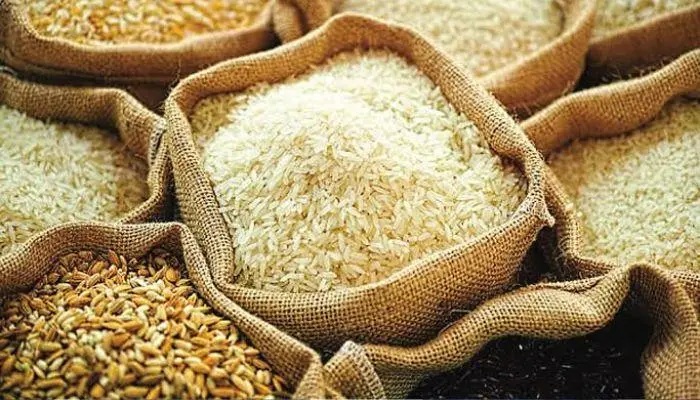
A member of the Association of Rice Farmers Ghana, Kwabena Amofa Akuoko, has dismissed suggestions that the country is currently experiencing a rice glut, arguing instead that the challenge facing local producers is weak demand for Ghanaian rice.
Speaking in a media interview, Mr. Akuoko explained that contrary to public perception of excess supply in the market, significant volumes of locally produced rice remain unsold because many consumers and institutions continue to favour imported brands over domestic alternatives.
According to him, the situation is not one of overproduction but rather insufficient market absorption of locally milled rice. He said this persistent demand gap is affecting farmers’ incomes and raising concerns about the long-term sustainability of investments made in the sector.
Mr. Akuoko noted that rice farmers across the country have committed substantial resources to expand production in recent years, encouraged by government support programmes and the broader national drive towards import substitution. However, he said the absence of a strong, consistent and structured market for local rice continues to undermine these efforts.
He called for deliberate policy interventions aimed at boosting demand for Ghanaian rice, including stronger enforcement of local procurement policies, especially among public institutions such as schools, hospitals, and government agencies. He also advocated for sustained consumer education campaigns to promote confidence in locally produced rice and improve its competitiveness in the retail market.
Mr. Akuoko stressed that increasing demand for Ghanaian rice would not only improve farmer incomes but also incentivise further investment in production, create jobs along the value chain, and help reduce Ghana’s dependence on imported rice.
He further emphasised that pricing remains a major constraint in the sector, insisting that locally produced rice cannot be sold at extremely low prices without producers incurring losses. According to him, suggestions that Ghanaian rice can be retailed at around GHS 50 are unrealistic given current production and processing costs.
He added that consumer preference remains heavily influenced by perceptions of quality and branding, arguing that many buyers prioritise imported rice despite the availability of competitive local alternatives.
Mr. Akuoko therefore urged a coordinated national effort involving government, private sector players and consumers to strengthen the local rice value chain and ensure that investments made by farmers translate into sustainable returns.



