

Farmers Association Link Food Gluts to Harvesting Gaps
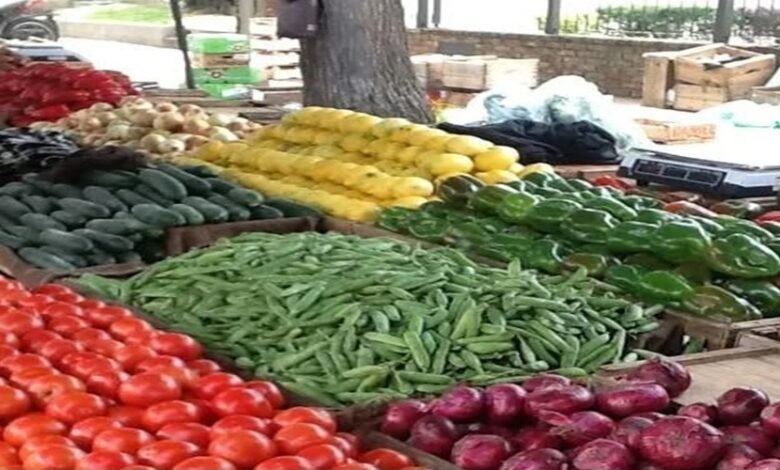
The Peasant Farmers Association of Ghana says the recurring food gluts recorded in parts of the country are not driven solely by weak demand, but are also the result of inadequate harvesting equipment, which leaves significant quantities of farm produce unharvested in the fields.
Speaking in a media interview on Ghana’s food storage and post-harvest challenges, the Association’s Executive Director, Bismark Owusu Nortey, explained that many farmers are unable to harvest their crops on time due to a lack of mechanised tools and limited access to labour. He said this situation contributes significantly to avoidable losses along the agricultural value chain.
According to him, the challenge becomes more pronounced during peak harvesting seasons, when large volumes of crops such as maize, rice, vegetables and other staples mature within a short period. At such times, farmers are often unable to mobilise enough harvesting machinery or manpower to efficiently clear their farms, resulting in crops being left to spoil.
Mr. Nortey noted that while inadequate storage infrastructure continues to be a major constraint in Ghana’s agricultural sector, the issue of delayed or incomplete harvesting is an equally important but often overlooked factor contributing to post-harvest losses. He stressed that when crops are not harvested on time, farmers lose income, food quality declines, and overall national food availability is affected.
He explained that improving access to mechanised harvesting equipment would significantly reduce wastage and increase productivity, particularly for smallholder farmers who form the backbone of Ghana’s agricultural system. According to him, investment in agricultural mechanisation is essential if the country is to strengthen food security and stabilise supply chains.
Mr. Nortey therefore called on government, development partners and private sector actors to expand support for mechanisation programmes, including affordable access to harvesters, threshers and other essential farm equipment. He also urged financial institutions to design more farmer-friendly credit schemes that would enable agricultural operators to acquire such machinery.
In addition, he encouraged institutions, including schools, hospitals and public agencies, to adopt direct procurement systems that allow them to purchase food directly from farmers. He said such an approach would help create a more reliable market for farm produce and reduce the likelihood of gluts that arise from weak market linkages.
He concluded that addressing both harvesting inefficiencies and storage challenges is critical to reducing post-harvest losses and building a more resilient agricultural sector capable of meeting national food demand.



