

Ghana Cedi Surges 6% in Two weeks Amid BoG FX support
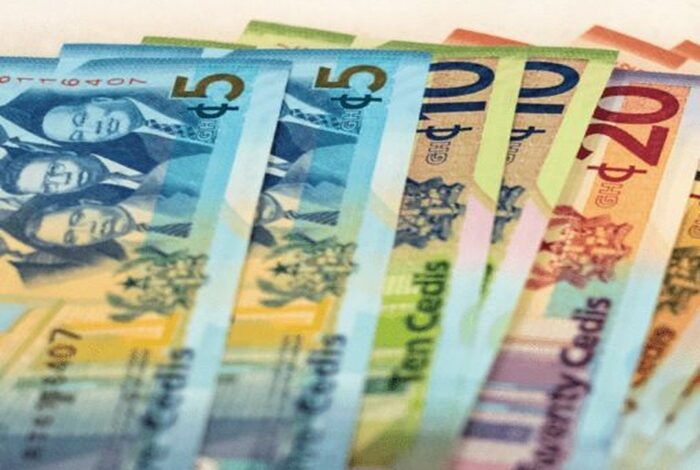
The Ghana cedi has staged a notable rebound over the past two weeks, with year-to-date losses narrowing significantly to about 6 percent from nearly 11 percent, reflecting improved foreign exchange conditions and sustained central bank support.
The recovery was largely driven by robust foreign exchange (FX) supply from the Bank of Ghana, which helped ease market tightness and reduce speculative demand that had previously weighed on the local currency. Market analysts say the intervention has played a key role in stabilising sentiment and restoring confidence in the FX market.
According to Databank Research, the cedi appreciated strongly across major trading currencies in the interbank market during the review period. It gained 5.66 percent against the US dollar, 6.76 percent against the British pound, and 6.24 percent against the euro.
At the close of the period, interbank midrates stood at GHS11.22 to the US dollar, GHS14.83 to the pound, and GHS12.86 to the euro.
The currency also recorded gains in the retail market, though at a slightly slower pace. The cedi strengthened by 2.07 percent against the dollar to GHS12.05, appreciated by 2.19 percent against the pound, and rose by 2.25 percent against the euro. Retail market rates closed at GHS16.00 to the pound and GHS13.90 to the euro.
Analysts note that the cedi’s performance exceeded earlier expectations, which had projected relatively modest FX inflows at the beginning of June. Instead, the Bank of Ghana deployed sizeable discounted FX liquidity injections earlier than anticipated, significantly altering market dynamics.
These interventions, estimated to have triggered an average currency appreciation of about 6 percent over the two-week period, helped suppress excess demand and ease pressure in both the interbank and retail markets.
Market participants also point to the psychological impact of the central bank’s actions, noting that repeated FX injections have historically reduced speculative positioning and improved short-term stability. Similar episodes of FX intermediation in the range of US$1.2 billion to US$1.5 billion have previously supported stronger exchange rate performance.
Looking ahead, analysts expect the cedi to maintain a firmer tone if FX liquidity conditions remain favourable. A significant portion of the Bank of Ghana’s June 2026 FX allocation, estimated at around US$1.2 billion has yet to be fully disbursed, raising expectations of continued market support.
Some market watchers project that, under sustained inflows and stable demand conditions, the cedi could potentially appreciate toward the GHS10.90 per US dollar level in the near term.
The latest performance highlights the increasing role of central bank interventions in shaping exchange rate dynamics, as investors continue to monitor liquidity flows and broader macroeconomic conditions for clues on the currency’s next direction.



