Weak Oversight Blamed for Ghana’s Growing Infrastructure Failure
By Maame Efua Kwaduah
The Ghana Institute of Architects (GIA) has expressed concern over the increasing incidents of building collapses and the rapid deterioration of roads across the country, attributing the situation to weak regulatory systems, inadequate oversight and poor enforcement of construction standards.
The Institute says despite the huge investments made in infrastructure development over the years, many projects continue to fail prematurely because of gaps in supervision, accountability and quality assurance within the construction sector.
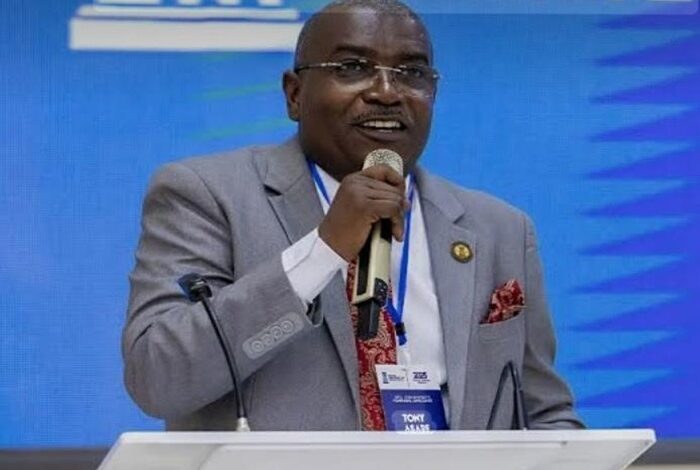
Speaking on the sidelines of a Church of Pentecost programme organised to equip built environment professionals and young people with godly principles to combat corruption and promote integrity in their respective fields, President of the Ghana Institute of Architects, Tony Asare, said Ghana’s infrastructure challenges stem largely from the absence of an independent regulatory body to effectively monitor contractors and enforce standards.
According to him, the current governance structure does not provide adequate mechanisms to regulate the performance and quality of work delivered by contractors executing public projects.
Mr. Asare explained that while the Ministry of Works, Housing and Water Resources issues licences to contractors, many of them undertake projects for different ministries and agencies without being subjected to a unified system of monitoring and performance assessment.
He noted that the country lacks a comprehensive regulatory framework that sanctions contractors who execute substandard work, adding that there are no effective measures such as blacklisting poor-performing contractors to discourage negligence and ensure accountability.
“As a result, there are significant gaps in the regulation and monitoring of activities within the built environment,” he observed.
The GIA President lamented that although contractors are awarded major infrastructure projects, supervision during implementation is often inadequate, while little action is taken when standards are compromised or projects fail to meet specifications.
He stressed that Ghana must strengthen quality assurance systems and prioritise technical expertise if it is to construct durable roads, resilient buildings and infrastructure capable of withstanding the country’s environmental conditions.
Mr. Asare cited the proposed Accra-Kumasi Expressway as a major national project with significant potential to improve transportation and economic activities. However, he questioned whether Ghana’s poor maintenance culture could undermine the long-term sustainability of such investments if adequate maintenance systems are not established.
He further called for policies that would require foreign engineering and construction firms undertaking projects in Ghana to collaborate with local professionals.
According to him, such partnerships would ensure that infrastructure projects are designed with a better understanding of Ghana’s environmental and climatic conditions while promoting knowledge transfer, skills development and the growth of local technical capacity.
Beyond physical infrastructure, Mr. Asare emphasised the need to invest in the next generation of professionals through structured internship opportunities, mentorship programmes and practical industry exposure.
He also advocated greater incorporation of faith-based values into professional practice, arguing that integrity, honesty, accountability and ethical leadership remain critical tools in the fight against corruption and professional misconduct.
The Church of Pentecost programme, themed “Workers Guild! My Work, My Divine Assignment,” brought together professionals from various sectors of the economy to reflect on ethical leadership and responsible professional conduct.
Participants were encouraged by church leaders and industry experts to uphold high moral standards, demonstrate integrity in their workplaces and contribute meaningfully to national development through professionalism and ethical service.
The Ghana Institute of Architects believes strengthening regulation, improving oversight, promoting accountability and investing in local expertise will be critical to reversing the country’s growing infrastructure challenges and ensuring value for money in future public investments.