

UNICEF Flags Critical Gaps in Ghana’s Early Childhood Spending
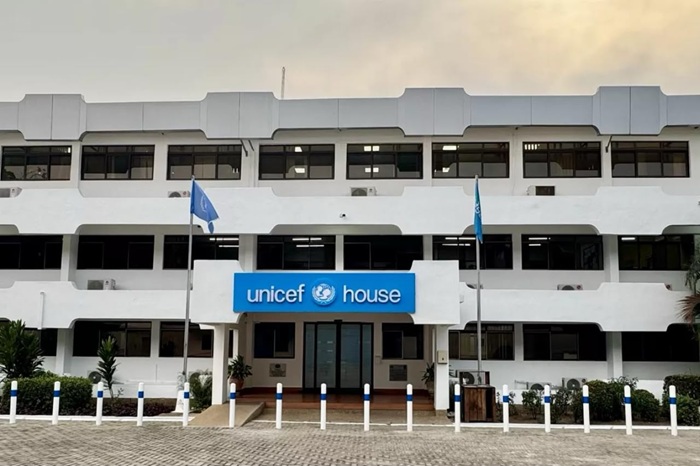
A new study by UNICEF Ghana has raised concerns over what it describes as insufficient, delayed and uneven public investment in children, particularly during the critical early stages of life.
The report, titled “Unlocking Potential Early: Rebalancing Public Spending for Children in Ghana,” presents the first age-based analysis of government expenditure on children, covering the period from pregnancy through to age 17. It offers a detailed look at how public resources are distributed across different stages of childhood development.
According to the findings, children aged between zero and five years receive just 13 percent of total public spending on children, despite representing nearly one-third of Ghana’s child population. UNICEF warns that this imbalance reflects a structural underinvestment in the earliest and most formative years of development.
The report further notes that the early childhood cohort remains the most vulnerable segment, with about 80 percent of children in this age group living in multidimensional poverty. It cautions that such conditions, if not addressed early, can have long-term consequences on education outcomes, health status, productivity, and overall human capital development.
UNICEF Ghana argues that investment in early childhood development is not only a social priority but also an economic imperative, stressing that returns on early investment are significantly higher than spending at later stages of life.
Speaking on the findings, the Chief of Social Policy and Inclusion at UNICEF Ghana, Madam Paulina Sarvilathi, emphasized the need for deliberate and sustained investment in the early years, describing it as a foundation for building strong human capital.
She noted that the quality of a country’s future workforce is heavily influenced by how well it invests in children today, particularly during pregnancy and the first five years of life when cognitive and physical development is most rapid.
Madam Sarvilathi also called on policymakers to fully operationalise the recently launched Early Childhood Care and Development Policy, saying it presents a timely opportunity to address existing gaps and improve coordination in early childhood interventions.
She stressed that Ghana’s long-term development ambitions would be difficult to achieve without a stronger focus on the earliest stages of child development, where inequality often begins.
UNICEF is therefore urging government and development partners to rebalance public spending in favour of early childhood, strengthen social protection systems, and ensure that investments in children are both equitable and impactful.



