

World Bank stresses critical role of Payment Systems in Advancing Financial Inclusion
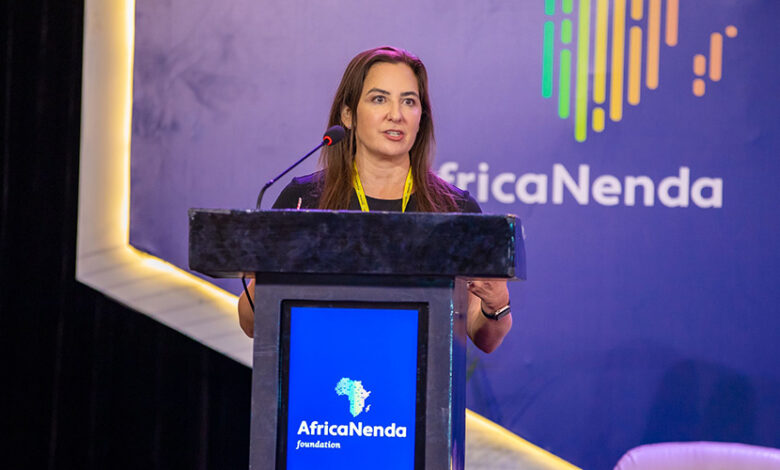
The World Bank has reaffirmed its commitment to advancing global financial inclusion, highlighting the transformative role of modern payment systems in fostering equitable access to financial services.
Speaking at the launch of the 2024 State of Inclusive Infrastructure Payment Systems (SIIPS) report, the Lead Financial Sector Specialist for the Finance, Competitiveness, and Innovation Global Practice at the World Bank emphasized the significant impact of payments on the financial sector and broader economic development.
“We think a lot about financial inclusion at the World Bank, and I think all of us share that sentiment of the commitment we have to financial inclusion. But the flip side of that is the power of payments,” she stated. She underscored the essential yet often underappreciated role payment systems play in the “plumbing” of the financial sector, describing them as technical yet critical components that enable the sector to function seamlessly.
Payments as a catalyst for inclusion
The official pointed to the rapid acceleration of financial inclusion through innovative payment solutions, particularly in emerging markets. “It’s amazing to think about the rate at which we can accelerate financial inclusion through payments,” she said, adding that advancements in technology now enable countries to leapfrog traditional development timelines.
She noted that strong payment systems offer round-the-clock availability and promote interoperability, enabling seamless communication between different financial platforms. These features, combined with efforts to drive down transaction costs, are making significant strides in expanding access to financial services globally.
Reducing costs, enhancing impact
One of the most notable benefits highlighted was the potential cost savings of transitioning from cash-based to digital payments. “If you move from G2P [government-to-person] payments from cash to digital, you can achieve cost reductions of up to 40%,” she revealed. This shift not only increases efficiency but also ensures that more resources can be redirected to critical development initiatives.
Lessons from global comparisons
Reflecting on global disparities, the official remarked on the stark contrast in payment services availability across countries. She expressed surprise that even advanced economies like the United States lag behind in offering universal, accessible digital payment solutions, a reality that underscores the urgency of further innovation and adoption worldwide. The remarks at the SIIPS report launch spotlight the transformative potential of payment systems in shaping a financially inclusive future. As countries prioritize investments in resilient and interoperable payment infrastructure, the World Bank’s ongoing commitment to these efforts signals a promising pathway to accelerating financial inclusion and reducing global inequalities.



