

Lending Rates Fall to 16.33%
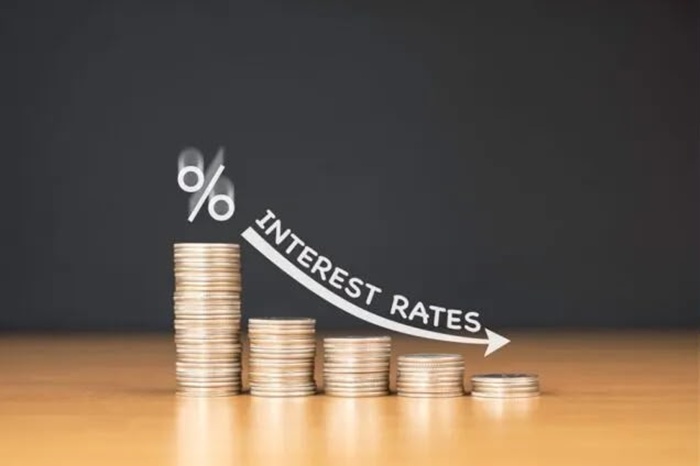
The average lending rate in Ghana has declined for the fourth consecutive month, easing to 16.33 per cent in April 2026, according to the Bank of Ghana’s May 2026 Summary of Economic and Financial Data.
The latest figure marks a significant drop from 27.40 per cent recorded in April 2025, reflecting a sustained easing in the cost of credit for businesses and households over the past year.
The continued downward trend in lending rates has largely been driven by the Bank of Ghana’s monetary policy stance, which saw the Monetary Policy Rate reduced from 28.00 per cent in mid-2025 to 14.00 per cent by March 2026.
This policy shift has fed into the Ghana Reference Rate, the benchmark used by commercial banks in pricing loans, which fell from 23.99 per cent in April 2025 to 10.06 per cent in April 2026.
As a result, commercial banks have adjusted lending rates downward, contributing to the current average of 16.33 per cent.
The easing in borrowing costs is expected to support private sector activity, with businesses likely to benefit from reduced interest expenses and improved access to credit for expansion and operations.
However, despite the improvement, lending rates remain relatively high compared to several peer emerging markets, with analysts noting that risk premiums in the financial sector continue to influence pricing.
The gap between the Ghana Reference Rate and actual lending rates further reflects continued caution among banks in extending credit to the private sector.
Attention has now shifted to the Bank of Ghana’s Monetary Policy Committee, which at its 130th meeting maintained the policy rate at 14.00 per cent, signalling a pause in the recent cycle of rate cuts.
The decision has raised expectations that the pace of further declines in lending rates could slow in the coming months, as the primary driver of monetary easing remains unchanged.
Economists suggest the MPC’s stance may reflect concerns over inflationary pressures, exchange rate stability, and broader global economic uncertainties.
With the policy rate now on hold, the Ghana Reference Rate is expected to stabilise, potentially limiting further reductions in commercial lending rates.
While current borrowing conditions are significantly improved compared to 2025, analysts caution that the period of rapid easing in credit costs may be giving way to a more gradual adjustment phase, depending on macroeconomic developments in the months ahead.



