

Ghana Becomes Africa’s 8th Largest Economy
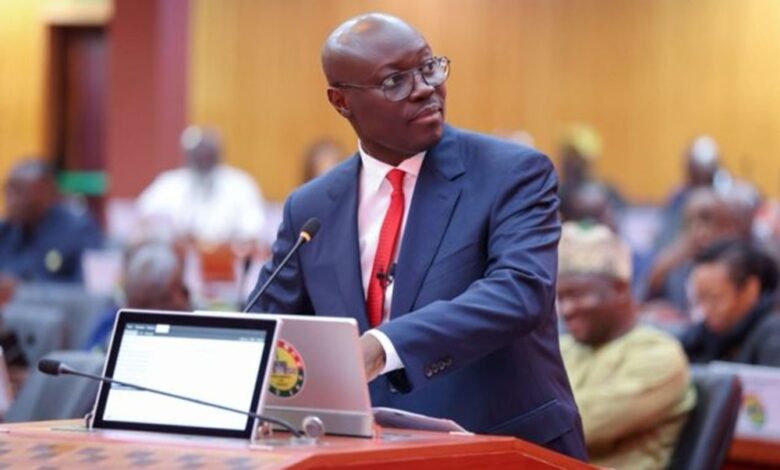
Ghana has climbed to become the eighth biggest economy in Africa after recording a Gross Domestic Product (GDP) of $114.71 billion in 2026, representing a 3.2 per cent increase over the previous year.
The latest economic performance reflects continued expansion in key sectors of the economy, particularly mining, information and communication technology (ICT), and financial services.
The country’s improved ranking follows strong contributions from the mining industry, largely supported by rising global gold prices which boosted export earnings and government revenues. Ghana, one of Africa’s leading gold producers, benefited significantly from favourable commodity market conditions over the period under review.
In addition to mining, the ICT sector continued its rapid growth trajectory, driven by increased digital transformation, mobile connectivity, financial technology innovations and expanding internet-based services across the country. The financial services sector also recorded notable growth, supported by banking sector reforms, digital banking expansion and increased financial inclusion.
In 2025, Ghana’s GDP was estimated at $108.1 billion with a projected growth rate of 4.8 per cent, placing the country in the 10th position among Africa’s largest economies. The latest figures therefore indicate a significant improvement in the country’s economic standing on the continent.
Economic analysts say Ghana’s rise in the rankings demonstrates the resilience of the economy despite ongoing challenges relating to public debt management, inflationary pressures and external vulnerabilities within the global economy.
Over the years, Ghana has maintained relatively stable macroeconomic conditions compared to several countries within the West African sub-region. This has been attributed to ongoing reforms, improvements in domestic revenue mobilisation and the expansion of productive sectors of the economy.
The structure of Ghana’s economy also continues to show increasing diversification. Although traditional exports such as gold and cocoa remain major contributors to foreign exchange earnings, the oil and gas sector has emerged as a significant pillar of economic growth and fiscal stability.
Revenue from petroleum production has helped cushion the economy against fluctuations in global commodity prices while supporting infrastructure development and public expenditure.
Meanwhile, South Africa retained its position as Africa’s largest economy with a GDP of $479.96 billion in 2026. The South African economy expanded by 11 per cent from the previous year’s GDP of $427.1 billion.
The country’s dominance continues to be supported by its highly developed financial sector, sophisticated capital markets and advanced industries spanning mining, manufacturing, telecommunications and services.
Egypt ranked as the second-largest economy on the continent with a GDP of $429.65 billion in 2026, representing a 17.84 per cent increase from $314.6 billion recorded previously.
Egypt’s economic growth has largely been driven by large-scale infrastructure investments and a diversified economy supported by tourism, energy, construction and manufacturing sectors.
Nigeria occupied the third position with a GDP of $377.7 billion after recording a strong 30 per cent increase in economic output in 2026.
Analysts attribute Nigeria’s rebound partly to currency adjustments and reforms aimed at stabilising Africa’s largest population economy.
The latest rankings highlight the growing competitiveness of African economies as countries continue implementing reforms to strengthen industrialisation, improve investment attraction and expand economic productivity across various sectors.



