BoG Records GH¢15.6bn Loss in 2025
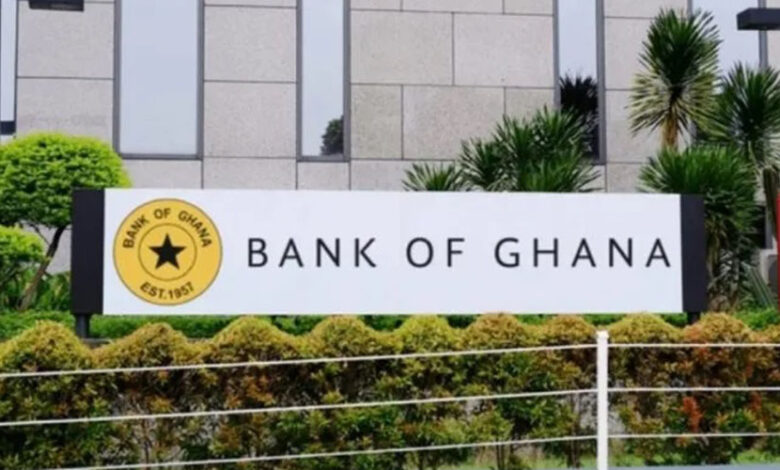
The Bank of Ghana has reported an operating loss of GH¢15.6 billion for the 2025 financial year, underscoring the continued financial cost of policy interventions deployed to stabilise the economy following recent macroeconomic shocks.
The latest figures, released in early May 2026, mark a reversal of the improving trend observed in the previous year. In 2024, the central bank had narrowed its operating deficit to GH¢9.49 billion, down from GH¢13.23 billion in 2023, signalling gradual progress toward balance sheet recovery after the severe disruptions associated with the Ghana’s 2022 economic crisis. However, the 2025 outcome highlights the difficulty of sustaining that recovery path amid ongoing economic management demands.
Analysts attribute the latest loss largely to the cost of monetary and quasi-fiscal interventions undertaken by the central bank. A key contributor is the gold purchasing initiative, widely referred to as the gold-for-oil programme. The policy was introduced to reduce reliance on foreign exchange for fuel imports by leveraging domestically acquired gold.
While the initiative has helped ease pressure on the cedi and support foreign reserve accumulation, it has also imposed significant financial costs. These include expenses related to gold acquisition, exposure to price volatility, and operational execution, all of which have weighed on the Bank’s balance sheet.
Exchange rate management also played a critical role in shaping the 2025 financial outcome. The cedi experienced periods of volatility during the year, driven by both global market conditions and domestic fiscal pressures. In response, the central bank intervened in the foreign exchange market to stabilise the currency and maintain investor confidence. Such interventions, though essential to macroeconomic stability, often result in financial losses due to the cost of defending the currency and managing liquidity.
Economists emphasise that losses of this nature are not unusual for central banks, particularly during periods of economic stress or recovery. Unlike commercial institutions, central banks are not profit-oriented; their primary mandate is to maintain price stability, control inflation, and safeguard the financial system. As a result, policy actions that benefit the broader economy may come at a direct financial cost to the institution itself.
Indeed, recent macroeconomic indicators suggest that these interventions have yielded positive outcomes. Inflation has declined sharply from crisis-era highs, the cedi has shown signs of stabilisation, and external reserves have improved. These gains, however, have been achieved alongside significant balance sheet pressures for the central bank.
The Bank of Ghana has reiterated its commitment to restoring its financial position over the medium to long term. Following heavy losses during the crisis period, it outlined a recovery strategy aimed at rebuilding equity and strengthening its financial standing. Current projections indicate a target of returning to positive equity by 2032.
As part of this recovery effort, the Bank is expected to enhance operational efficiency, refine its policy tools, and maintain transparency in financial reporting. These measures are intended to ensure that while it continues to deliver on its stabilisation mandate, it also improves its internal financial resilience.
The 2025 loss highlights the delicate balancing act central banks must manage, absorbing the cost of stabilisation while working toward long-term financial sustainability. For Ghana, the outcome reflects not just a financial setback for the central bank, but the broader cost of navigating economic recovery in a complex and uncertain global environment.
Going forward, the trajectory of the Bank’s finances will depend on sustained macroeconomic stability, prudent policy management, and evolving global conditions, all of which will shape the pace of recovery in the years ahead.