External Sector Remains Resilient amid Global Uncertainty – BoG
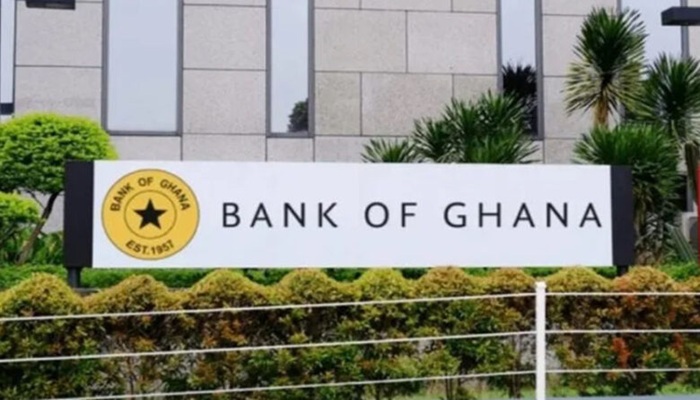
Ghana’s external sector continues to demonstrate resilience despite heightened global uncertainty, including volatile commodity prices and geopolitical tensions in the Middle East, the Bank of Ghana (BoG) has indicated in its March 2026 Monetary Policy Report.
According to the central bank, fluctuations in the prices of key export commodities notably gold, cocoa and crude oil, have created a mixed global outlook. Nonetheless, these developments have not significantly undermined Ghana’s external position, which remains broadly stable.
The BoG also assessed the potential spillover effects of the ongoing Middle East conflict, particularly its implications for global supply chains and energy markets. While acknowledging the risks, the Bank maintained that the impact on Ghana is expected to be limited.
“Overall, Ghana’s external sector outlook remains broadly positive, notwithstanding the increasingly challenging global environment. The outlook for the prices of the country’s major export commodities appears mixed,” the BoG indicated.
The central bank attributes this resilience to two key buffers: a sustained current account surplus and adequate foreign exchange reserves. These factors continue to provide critical support to the economy, helping to absorb external shocks and maintain stability.
In practical terms, Ghana is earning more from exports than it is spending on imports, thereby strengthening its external balance. At the same time, robust reserve levels offer a cushion against global market volatility, helping to ease pressure on the cedi and anchor macroeconomic confidence.
Reinforcing this position, the report noted that, “an assessment of the potential implications of the ongoing conflict in the Middle East suggests that Ghana’s external sector remains resilient, underpinned by a sustained current account surplus and adequate reserve buffers.”
The relative strength of the external sector carries important implications for businesses, importers and households. By moderating sharp exchange rate movements, it supports planning and pricing decisions, while also reinforcing confidence in the broader economic environment.
Although uncertainties persist particularly around commodity price trends, the BoG’s assessment suggests that Ghana’s external sector remains on a firm footing in the near term, supported by sound macroeconomic fundamentals.