

Fuel Surge and Middle East Tensions Strain South African Airlines
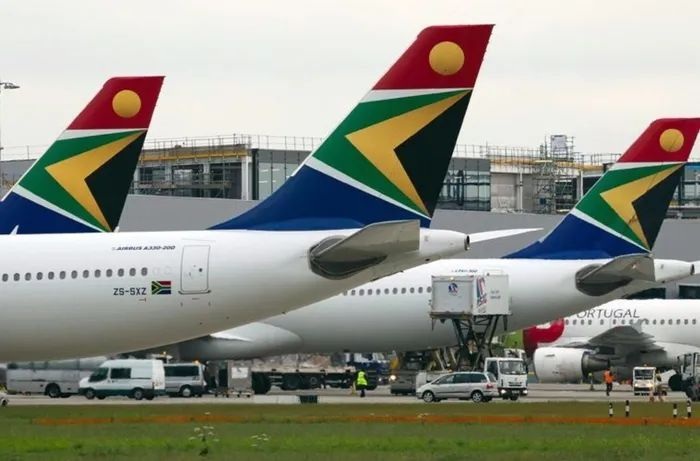
South African airlines are facing growing operational and financial pressure as escalating fuel prices and instability in the Middle East disrupt global aviation networks, raising concerns about higher travel costs and reduced flight availability.
Jet fuel prices have surged by more than 70 percent since late February, driven largely by ongoing tensions in the Middle East, a key hub for international air travel. In response, several airlines have begun increasing ticket prices and introducing temporary fuel surcharges in an effort to offset rising operational costs.
However, aviation analysts have questioned the speed of these measures. Guy Leitch, editor of SA Flyer Magazine, argues that airlines may be reacting too quickly. “There shouldn’t be this immediate knock-on effect that the airlines are claiming in terms of jet fuel prices,” he said, explaining that most carriers typically hedge between 80 and 85 percent of their fuel costs for periods ranging from six to twelve months.
Leitch warned that premature fare increases could have unintended consequences for the industry. “The demand will drop off quite sharply,” he said, cautioning that higher travel costs are likely to discourage discretionary travel, leading to fewer bookings and reduced passenger volumes.
Industry observers say this could force airlines to scale back operations, including cutting flight frequencies, merging routes, and slowing expansion plans. The combined effect may result in a more constrained aviation market, with fewer travel options for consumers.
Beyond fuel costs, the crisis is also affecting global supply chains. The Middle East’s central role in international aviation means that rerouted flights and suspended services are creating widespread disruptions. For South African carriers, which rely heavily on imported aircraft parts, these challenges are intensifying existing pressures.
Analysts say the situation underscores the vulnerability of the aviation sector to global geopolitical shocks, with airlines now balancing rising costs against the risk of weakening demand in an already fragile operating environment.



