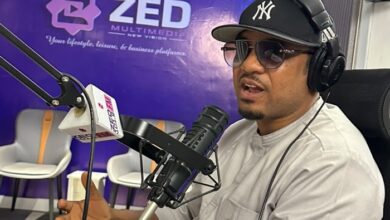
97% of Ghanaian Musicians Struggle to Earn from Music – Rex Omar

Veteran Ghanaian musician and GHAMRO Board Chairman, Rex Omar, has raised concerns about the state of the country’s music industry, warning that the sector is still ill-equipped to support its creative players financially.
In an interview, Rex Omar revealed that nearly “97% of Ghanaian musicians are not making money” from their craft.
While a few high-profile artists inspire young people to pursue music, he said most enter the industry purely out of passion, often without understanding the business mechanisms needed to sustain a career. “Talent is there, but the business aspect of it that will sustain them is zero. This leaves many creatives struggling financially, despite their abilities,” he explained.
Rex Omar highlighted that this disconnect between talent and business knowledge contributes to the challenges facing Ghanaian musicians, emphasizing the need for structural and educational reforms within the sector. He said that initiatives such as GHAMRO’s digitisation drive, which he spearheaded, are steps toward addressing these issues by modernizing royalty collection and transparency for artists.
He also announced plans to step down as GHAMRO Board Chairman once elections are concluded. “My key mission to digitise the organisation has been achieved,” Rex Omar noted, adding that the next leadership should focus on strengthening the support systems for musicians to earn fairly from their work.
The veteran singer stressed that building sustainable careers in music requires more than raw talent; it demands knowledge of business practices, rights management, and proper remuneration systems. “Music is not just about creating hits. It is about making sure that your craft can feed you and your family,” he said.
Rex Omar’s comments come at a time when the creative arts sector in Ghana is rapidly expanding, yet many artists continue to face economic hardships. His candid assessment underscores the need for policy interventions, education, and industry reforms to ensure that musicians can fully benefit from their contributions to Ghana’s cultural and economic landscape.