Enforcement, Trust Key to Improving Tax Compliance in Ghana – Expert
By: Solomon Nartey Tetteh
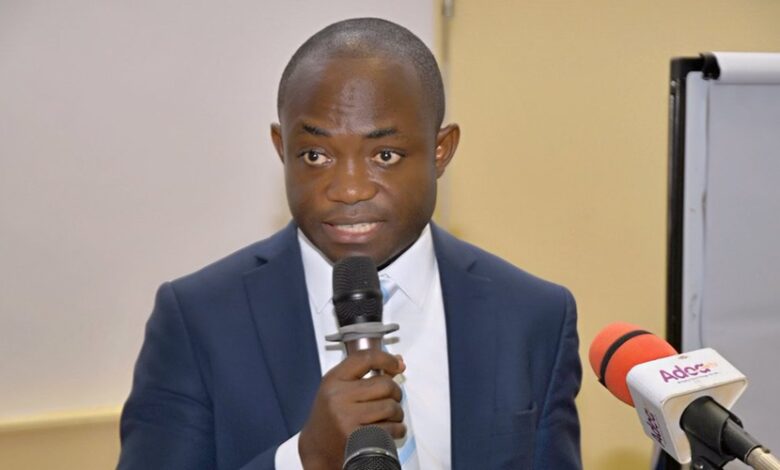
Tax Consultant Francis Timore-Boi Esq. says tax compliance in Ghana is largely influenced by a delicate balance between effective enforcement and public trust in the tax system, warning that relying on one without the other undermines revenue mobilisation efforts.
Speaking on Business Breakfast on Zed 1O1.9FM, Mr. Timore-Boi explained that while enforcement remains critical, its deterrent effect is weakened when taxpayers perceive a low risk of detection or punishment for non-compliance.
“In reality, compliance in Ghana is shaped by both enforcement and trust, and the two are closely linked,” he said. “On the enforcement side, when the likelihood of detection feels low, some taxpayers are willing to take the risk of not complying, believing that no one will see them.”
He pointed to Ghana’s growing night-time economy as a major challenge to tax compliance, noting that significant economic activity takes place after hours in major cities but remains largely cash-based and poorly regulated.
“If you go to our big cities, a lot of economic activity happens at night, but because these transactions are cash-based, compliance is very weak,” he said.
According to the tax expert, enforcement becomes ineffective when taxpayers believe non-compliance will go undetected, particularly within the informal sector, which is difficult to track and regulate.
However, Mr. Timore-Boi stressed that enforcement alone cannot solve Ghana’s compliance challenges. He said trust in how tax revenues are managed is equally important, as perceptions of unfairness and misuse of public funds discourage voluntary compliance.
“Many taxpayers are willing to comply, but they believe the system is not fair that you pay money and it ends up in somebody’s pocket,” he noted.
He warned that an imbalance between enforcement and trust can be counterproductive.
“Strong enforcement without trust leads to resistance, while trust without enforcement leads to leakages,” he explained.
Mr. Timore-Boi called for a balanced and sustained approach that strengthens enforcement mechanisms while building public confidence in the tax system. He said achieving this balance would enhance compliance, improve revenue collection, and ultimately support national development.
“The combined effect of enforcement and trust is what will help strengthen our tax system and raise the revenue Ghana needs,” he stated.