GRA Intensifies Domestic Revenue Drive Ahead of IMF Exit
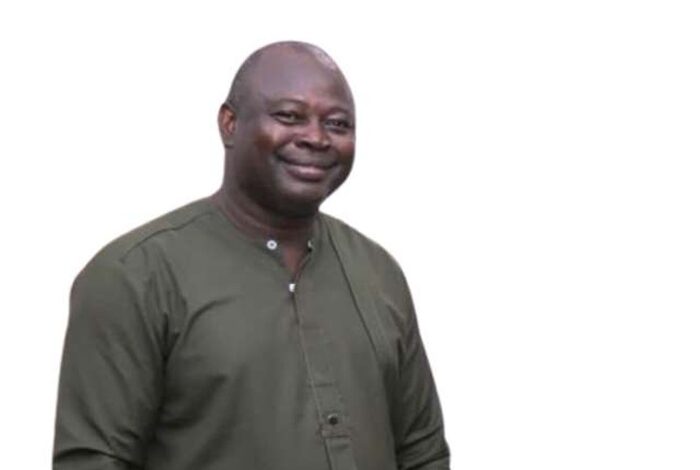
Dominic Naab, Acting Head of Strategy and Research at the Ghana Revenue Authority (GRA), has outlined a series of reforms aimed at strengthening domestic revenue mobilisation as Ghana prepares to exit its IMF-supported programme next year. Speaking at the Media Foundation for West Africa’s Tax Dialogue, he said the Authority’s initiatives are designed to provide the government with a more reliable stream of funds to support critical development priorities.
“Several measures have already been implemented. For example, the E-VAT system uses electronic means to generate VAT invoices, allowing the GRA to monitor transactions in real time. If executed effectively, this can significantly boost revenue,” Naab explained. He also highlighted the Finance Minister’s plan to employ artificial intelligence in port operations to identify gaps, correct declaration errors, and improve overall compliance.
Naab stressed the urgency of domestic revenue mobilisation, noting that “we are aware that international funding is limited, so generating revenue locally is essential. Many individuals and businesses earn income, but because they are not on our radar, the government misses out on crucial funds.”
The GRA’s reforms include targeted compliance and administrative measures aimed at widening the tax net and improving efficiency. Analysts say the effectiveness of these measures will be pivotal in determining Ghana’s fiscal resilience beyond 2026, particularly as the country seeks to reduce reliance on external support.
As Ghana edges closer to the end of its IMF program, boosting domestic revenue is seen as critical for funding national development priorities, including infrastructure, education, and social services. By capturing previously untaxed income and leveraging technology, the GRA hopes to create a more transparent and efficient tax system capable of sustaining economic growth in the years ahead.
With these steps, the Authority aims not only to enhance revenue performance but also to build public confidence in the fairness and effectiveness of Ghana’s tax system.