

UNICEF to lower cost of malaria vaccine to protect more children in Africa
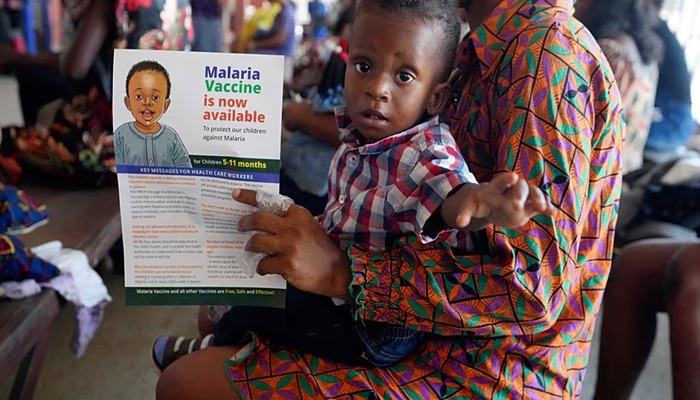
The United Nations Children’s Fund (UNICEF) has announced a major step to make malaria vaccines cheaper and more accessible to millions of children. UNICEF says it is now working to reduce the cost of the R21/Matrix-M malaria vaccine, one of the newest tools in the fight against the deadly disease.
According to UNICEF, the new pricing agreement will make the vaccine available for almost 3 dollars per dose, a significant reduction that is expected to take effect in about one year. Officials say this lower price will allow more countries to buy the vaccine and include it in their national immunization programs.
The deal, which is supported by Gavi, the Vaccine Alliance, and carried out by UNICEF, is expected to generate over 90 million dollars in savings. This money will help produce 30 million additional vaccine doses and protect at least 7 million more children from malaria over the next five years.
So far, more than 40 million doses of malaria vaccines have been delivered through the Gavi Malaria Vaccination Program. These vaccines are now part of routine immunization in 24 African countries, which together account for more than 70 per cent of the world’s malaria cases.
Malaria remains one of the deadliest diseases affecting children globally. In 2023, there were an estimated 263 million malaria cases and 597,000 deaths worldwide. This was 11 million more cases than the previous year. Around 95 per cent of malaria deaths occurred in Africa, mostly among children under the age of five.
Health experts say many families still struggle to access basic prevention tools like treated mosquito nets, and many health facilities lack enough medicines to treat severe malaria. The World Health Organization (WHO) reports that treating a single uncomplicated malaria case in sub-Saharan Africa costs between 4 and 7 dollars per outpatient visit. When the disease becomes severe and requires hospital care, the cost can rise to more than 70 dollars per patient.
In many high-burden countries, malaria is also responsible for the highest number of hospital consultations. This places a heavy financial burden on families and national health systems.
UNICEF and Gavi believe that lowering the vaccine price will help close these gaps, reduce the number of malaria deaths, and support countries in protecting their youngest and most vulnerable citizens.



