2026 Budget Anchors Strategy on Growth, Jobs and Fiscal Stability – BoG Governor
By Praisebell Rosemond Larbi
The Governor of the Bank of Ghana, Dr. Johnson Asiama, has announced that the 2026 Budget signals a new stage in Ghana’s economic transformation, with a reinforced commitment to fiscal discipline, accelerated growth and job creation.
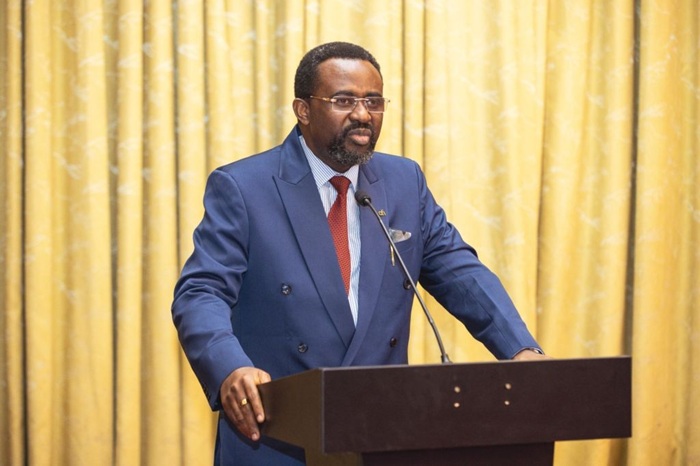
Speaking at the opening of the Monetary Policy Committee (MPC) meeting, Dr. Asiama said the budget provides a clear and deliberate roadmap for building a more resilient, inclusive and productive economy in the coming year. According to him, the government’s insistence on maintaining spending discipline remains essential to safeguarding the macroeconomic stability the country has worked steadily to rebuild.
“The 2026 Budget reinforces fiscal discipline while placing growth and job creation at the centre of Ghana’s next phase of economic transformation,” he emphasised, noting that stronger public financial management is necessary to keep the economy on a sustainable trajectory. He added that collaboration between the central bank and government is critical to ensuring that policy initiatives translate into tangible improvements across the real sector.
In the coming days, the MPC is expected to conduct a comprehensive assessment of the broader macroeconomic environment and announce policy measures consistent with the country’s medium-term economic direction. Analysts say the Committee’s decision will be closely watched by the financial markets, business community and investors for signals on credit conditions, inflation expectations and growth prospects.
The Bank of Ghana has already taken a more accommodative stance in recent months. In September 2025, the central bank cut its benchmark monetary policy rate by 350 basis points to 21.5 percent, citing continued moderation in inflation, stronger external buffers and a resilient growth momentum. The decision followed sustained improvements in the disinflation process, supported by enhanced food supply, stable exchange rate conditions and robust performance in non-oil sectors of the economy.
Dr. Asiama underscored that the combination of disciplined fiscal policy, guarded monetary easing and ongoing structural reforms will be central to driving investment, supporting private-sector expansion and generating meaningful employment opportunities. “As stability gains deepen, the policy focus is now on translating recovery into broad-based growth that produces jobs and higher living standards for Ghanaians,” he said.
Economists note that the coming fiscal year will test the country’s ability to balance growth ambitions with disciplined budget execution. For policymakers, sustaining stability while accelerating transformation will remain the defining benchmark of success.