

VEPEAG Urges Investment in Local Rice Value Chain
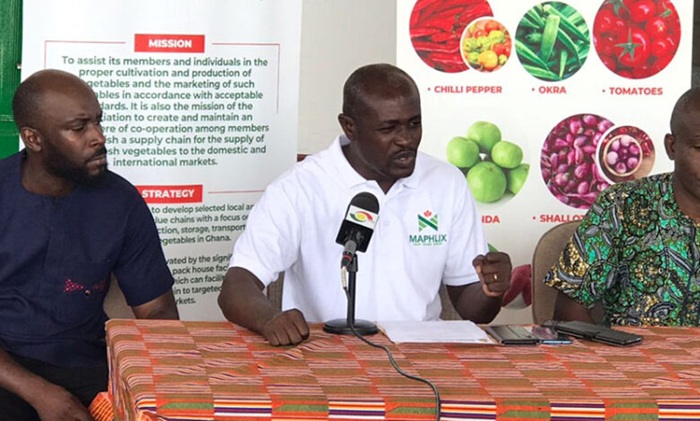
The President of the Vegetable Producers and Exporters Association of Ghana (VEPEAG), Mr. Felix Kamassah, has called for urgent and targeted investment in the country’s rice value chain to address the growing challenge of unsold produce among local farmers.
His appeal comes amid widespread complaints from rice farmers across Ghana about the lack of market access for their produce, despite claims that domestic production can meet the nation’s annual rice demand. Many farmers say the continued preference for imported rice has left thousands of tonnes of locally grown paddy rice unsold, with some at risk of spoilage.
Speaking in media interview, Mr. Kamassah described the situation as worrying and called for deliberate interventions in pricing, value addition, and infrastructure development to make local rice more competitive.
“I have a lot of friends who are complaining about not getting a market for their rice, and this is something we have to look at critically,” he said.
Mr. Kamassah explained that while many Ghanaians appreciate locally produced rice, high prices and poor finishing continue to discourage patronage.
“We have a training centre where we serve local rice to our students, and they love it. But the issue is the price. When we run out and go to the market to buy local rice for milling, it’s often more expensive. The other problem is with how we polish our rice the quality is not right. We need to focus more on adding value,” he noted.
The VEPEAG President also underscored the need to modernise Ghana’s rice processing infrastructure, lamenting that many facilities remain outdated and inefficient.
“Some of the facilities we use are very old, dating back to the time of Kwame Nkrumah. Farmers have to queue and sometimes return the next day just to process their rice. We must build capacity and replace these old machines with modern ones,” he urged.
Mr. Kamassah further pointed out that the poor siting of some processing factories away from rice-producing areas has worsened the situation for farmers.
“Unfortunately, some factories were established far from where the rice is produced. Processing should be done closer to the raw materials. If that happens, farmers can add value and release their rice onto the market when there’s a shortage,” he added.
He reiterated the need for strong collaboration between government, investors, and the private sector to strengthen the rice value chain, reduce post-harvest losses, and make locally produced rice a sustainable part of Ghana’s food system.



