Gov’t to waive taxes on agro-Processing machinery
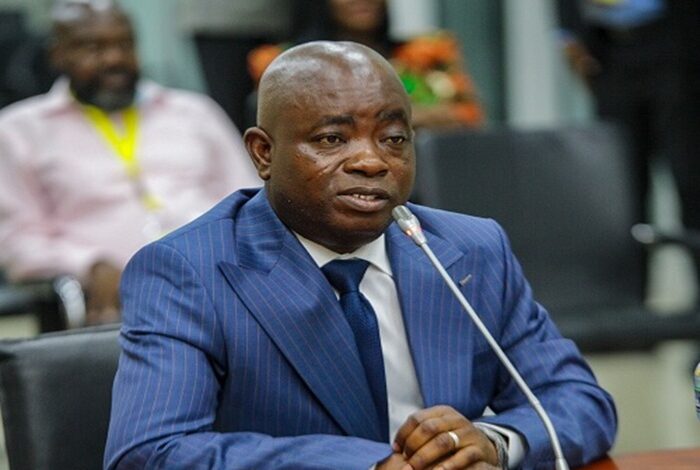
The Deputy Minister for Trade, Agribusiness and Industry, Sampson Ahi, has announced that the government will waive taxes on agro-processing machinery to attract investment and boost productivity in the country’s agribusiness sector.
Speaking on behalf of the sector Minister at the Regional Agribusiness Dialogue held in Sunyani on Monday, 13 October 2025, Mr Ahi said the initiative forms part of a two-pronged government strategy to promote agro-industrialisation and ensure machinery sufficiency across the sector.
The dialogue sought to gather ideas, share expertise and build a comprehensive knowledge base to help the ministry develop a long-term plan for the country’s agribusiness sector.
It further identified regional agribusiness priority areas such as harnessing agricultural productivity for entrepreneurship, promoting commercial seed incubation businesses and improving smallholder productivity and market access.
Mr Ahi stressed the need for Ghana to formulate and implement effective policies to make the agricultural sector inclusive for women, young people and persons with disabilities, while creating an enabling environment for the private sector to thrive.
He reaffirmed the government’s commitment to retooling and strengthening the local manufacturing sector to drive job creation and reduce poverty.
Mr Ahi noted that with support from the International Fund for Agricultural Development (IFAD) under the Rural Enterprise Programme, the ministry has empowered the GRATIS Foundation to manufacture agro-processing equipment for small and medium-scale enterprises (SMEs).
That support, he said, includes enhancing the foundation’s capacity to design, manufacture and repair agro-processing machines, thereby reducing dependence on imported equipment and promoting local content.
“Empowering the GRATIS Foundation will enable the government to advance its agro-industrialisation drive and contribute to the nation’s socio-economic development by creating more job opportunities and stimulating innovation for economic growth,” Mr Ahi noted.
According to him, removing taxes on agro-processing machinery will help reduce operational costs, enhance access to modern equipment and increase efficiency across the value chain.
“In the medium to long term, government will retool and strengthen local machinery manufacturing, working closely with institutions such as the GRATIS Foundation under the Rural Enterprise Programme of the Ministry, with support from the International Fund for Agricultural Development (IFAD),” Mr Ahi stated.
The Deputy Minister said these interventions aim to position local manufacturers to design, produce and repair agro-processing machines locally, thereby reducing import dependency and promoting local content.
He emphasised that this approach would drive productivity, create jobs and stimulate innovation within Ghana’s machinery manufacturing space.
Touching on broader policy directions, Mr Ahi revealed that the Ministry of Trade, Agribusiness and Industry is developing a comprehensive National Agribusiness Policy to improve value addition, productivity, export competitiveness and job creation.
The Bono Regional Minister, Joseph Addae Akwaboah, commended the ministry for organising the dialogue, saying it would help harness the region’s agribusiness potential. Describing the Bono Region as one of Ghana’s agricultural powerhouses, he noted that the cashew and poultry sectors held huge potential for growth.
“Farmers require modern machines and processors to turn around these prospects for wealth creation,” he added.
The Deputy CEO of Agri Impact Limited, Madam Juliana Asante Dartey, also urged participants to contribute to the policy process to ensure that future frameworks reflect sector-specific needs and drive lasting transformation across Ghana’s agribusiness landscape.