FDA, UNICEF find dangerous lead levels in everyday products
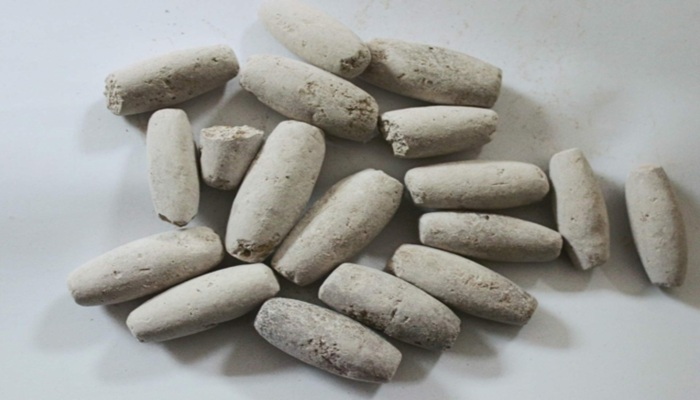
A new study conducted by the Food and Drugs Authority (FDA), in collaboration with the United Nations Children’s Fund (UNICEF), has uncovered alarming levels of lead contamination in everyday products across Ghana, posing serious health risks, particularly to children and pregnant women.
The nationwide research, which sampled products from all 16 regions, identified traditional cosmetics, food items, and household materials as major sources of exposure.
According to the findings, about 80 per cent of traditional eyeliners, commonly known as ‘kaji kaji’ or ‘kholi’, contained dangerously high lead levels.
Nearly 25 per cent of white baked clay samples, locally referred to as shire, ayilor or farinkasa, consumed by pregnant women, were also found to be contaminated.
In addition, 42 per cent of turmeric powders and over 4 per cent of corn-based cereals such as ‘Tom brown’ tested positive for unsafe lead levels. The highest concentrations were recorded in the Greater Accra, Central and Bono Regions.
Old plumbing systems and cookware were also identified as sources of exposure.
Health experts warn that even minimal exposure to lead can cause irreversible harm, including developmental delays, reduced IQ, learning difficulties, anaemia, hearing loss and pregnancy complications such as preterm birth and stillbirth.
UNICEF stated that lead poisoning is entirely preventable and called for urgent, coordinated national action.
They urged the government and stakeholders to intensify public awareness, tighten product safety regulations and introduce routine lead screening for children and expectant mothers.
“Lead poisoning robs children of their full potential,” UNICEF stated, adding that it remains committed to working with Ghana’s health authorities to eliminate exposure and ensure every child’s right to a healthy start in life.