

Over 25% of Ghanaians still in poverty despite economic growth
By Praisebell Rosemond Larbi
The World Bank has cautioned that more than 25 per cent of Ghanaians remain trapped in poverty despite a decade of headline economic growth, and has called for urgent, far-reaching reforms to break the cycle of stagnation and inequality.
In its latest report, ‘Transforming Ghana in a Generation,’ launched in Accra, the Bank revealed that per capita income has hovered around USD2,200 for the past ten years, underscoring how Ghana’s growth has failed to produce broad-based prosperity.
The analysis cites limited structural transformation, overreliance on natural resources such as cocoa, gold and oil, and weak job creation as key reasons for the disconnect between GDP growth and household welfare.
The World Bank noted that the country’s 2022 macroeconomic crisis, marked by high inflation, currency depreciation and rising public debt, further eroded employment gains and slowed poverty reduction.
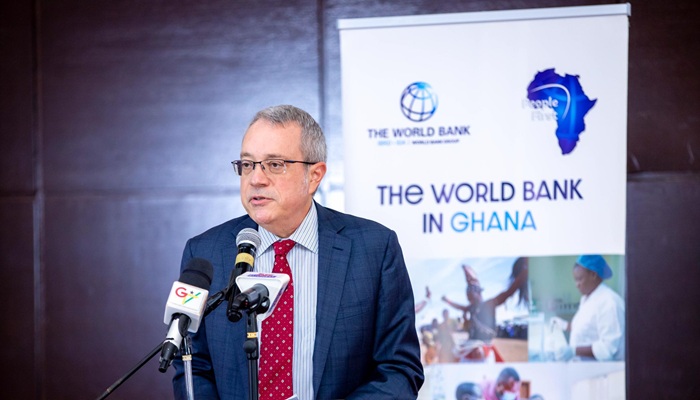
“Ghana has a unique opportunity to restore fiscal discipline, improve governance, and leverage natural and human capital resources for broad-based and inclusive development to transform the country within a generation,” said Robert Taliercio, World Bank Division Director for Ghana, Liberia and Sierra Leone.
The report urges government to restore fiscal credibility through consolidation and transparency, while putting public debt on a sustainable path.
It also calls for reforms to boost revenue collection, strengthen expenditure management and address chronic inefficiencies in key sectors, particularly energy and cocoa, to reduce fiscal risks and attract private investment.
“The choices Ghana makes now can unlock a generation of inclusive, resilient growth, and deliver on the promise of sufficient quality jobs for its citizens,” added Stefano Curto, the Bank’s lead economist for Ghana and principal author of the report.
The findings echo earlier World Bank research showing that the COVID-19 pandemic pushed nearly 30 million people worldwide below the USD3-per-day poverty line in 2020, erasing years of progress.
In Ghana, many households still struggle for reliable food, clean water and education, illustrating how headline economic recovery has not yet translated into tangible improvements in living standards.
The Bank concluded that decisive governance reforms, investment in skills and diversification beyond natural resources are essential if Ghana is to achieve inclusive growth and lift millions out of poverty within a generation.



