

Agriculture to drive nation’s industrialisation agenda – Trade Ministry
The Ministry of Trade, Agribusiness and Industry has announced that the nation is anchoring its industrialisation agenda on agriculture.
Speaking at the opening of the West Africa Agri Show (WAAS 2025) in Accra, Director of Administration at the Ministry, Yaw Sekyi, delivered the keynote on behalf of the Minister, Elizabeth Ofosu-Adjare.
He said government initiatives such as the Feed the Industry Programme, the Agribusiness Development and Value Extension Programme, and the Made-in-Ghana Campaign are central to strengthening value chain linkages from farm to factory.
According to Mr Sekyi, the interventions aim to build stronger connections between farmers, processors and markets, positioning agriculture as a catalyst for sustainable industrial growth.
He added that the Ministry is currently reviewing its National Trade and Industrial Policies and drafting a new National Agribusiness Policy.
The reforms, he noted, will align Ghana’s agribusiness strategy with emerging opportunities under the African Continental Free Trade Area (AfCFTA) and digital trade, creating new channels for export-led growth.
The government’s strategy mirrors a wider shift in West Africa, where agribusiness is increasingly viewed as the backbone of industrialisation and a critical sector for investment.
By linking agriculture to manufacturing and trade, Ghana aims to reduce import dependency, boost export earnings and create jobs, particularly for the youth.
Mr Sekyi also commended WAAS organisers for creating a platform that brings together government, private investors, development partners and regional stakeholders.
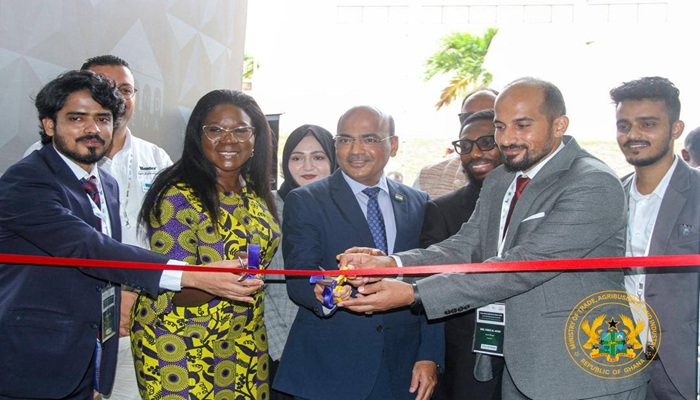
The two-day exhibition, held at the Accra International Conference Centre, opened with a ribbon-cutting ceremony and a tour of agribusiness innovations.
It drew policymakers, industry leaders and farmers from across West Africa to explore investment and partnership opportunities.
WAAS 2025 is focused on agribusiness financing, supply chain resilience and technology adoption, as participants deliberate on how agriculture can drive competitiveness under AfCFTA.



