

Mali, Burkina Faso, Niger quit ICC over ‘neocolonial bias’
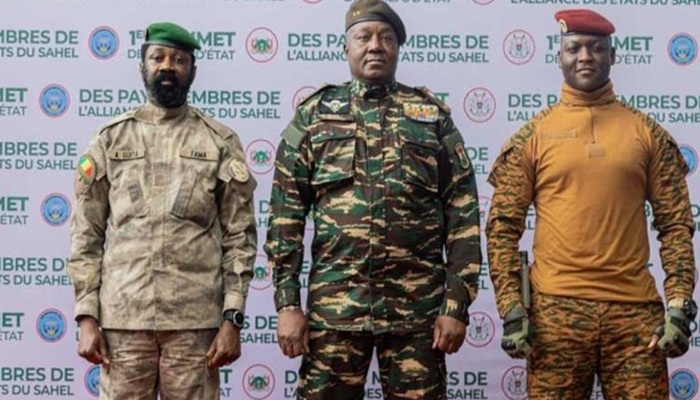
Mali, Burkina Faso and Niger on Monday, 22 September, announced their withdrawal from the International Criminal Court (ICC), accusing it of serving as a “neocolonial instrument” rather than a forum for impartial justice.
In a joint statement, the three military-led West African states alleged that the ICC had “transformed into an instrument of neocolonial repression in the hands of imperialism,” charging that the tribunal has become “a global example of selective justice.”
The juntas further claimed that the court, headquartered in The Hague, had failed in its central mandate.
“The ICC has proven itself incapable of handling and prosecuting proven war crimes, crimes against humanity, crimes of genocide and crimes of aggression,” the statement said.
The withdrawal mirrors earlier moves by the three countries to distance themselves from regional and international bodies they view as compromised.
In January, the trio quit the Economic Community of West African States (ECOWAS), describing the bloc as an obstacle to their sovereignty.
The governments of Bamako, Ouagadougou and Niamey, which came to power through successive coups between 2020 and 2023, said they would instead pursue “indigenous mechanisms for the consolidation of peace and justice.”
The countries have since formed a regional alliance known as the Alliance of Sahel States (AES), aimed at bolstering mutual defence and cooperation.
Analysts say the ICC withdrawal further solidifies the AES bloc’s anti-Western stance. The three nations have expelled French forces and turned increasingly to Russia for military cooperation as they battle jihadist insurgencies linked to Al-Qaeda and the so-called Islamic State.
Established in 2002 under the Rome Statute, the ICC is the world’s first permanent tribunal mandated to prosecute individuals for genocide, crimes against humanity, war crimes and crimes of aggression.
While 124 countries are members, global powers including the United States, China and Russia have not ratified the treaty. Israel also does not recognise the court’s jurisdiction.
The ICC has faced persistent criticism for focusing disproportionately on African cases, a charge that has fuelled resentment across the continent. Several African governments have previously threatened withdrawal, though few have followed through.
While Mali, Burkina Faso and Niger argue that the court turns a blind eye to the crimes of powerful states, rights groups note that the armies of all three countries have themselves been accused of grave abuses, including extrajudicial killings of civilians during counterinsurgency operations.



