

Ecuador set to overtake Ghana in global cocoa rankings
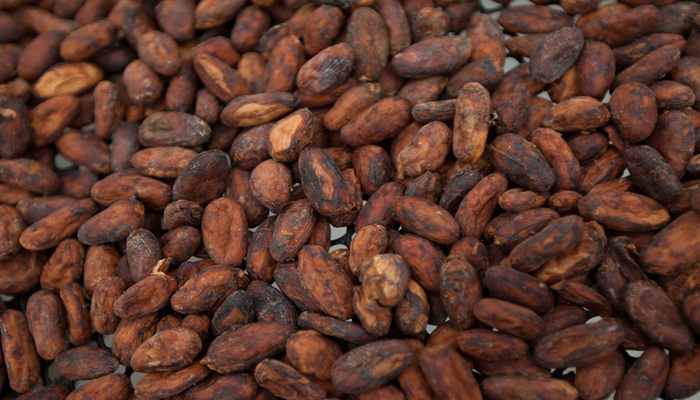
Ecuador is on track to overtake Ghana as the world’s second-largest cocoa producer, with output projected to top 650,000 metric tonnes in the 2026/27 season, according to the country’s cocoa exporters’ association, Anecacao.
Iván Ontaneda, Anecacao chairman, told Reuters that Ecuador’s cocoa production has shown consistent growth thanks to heavy public and private investment and favourable market conditions.
“Ecuador’s production has shown steady growth for years. Ghana’s production has been volatile,” he said.
Global cocoa prices more than doubled last year, climbing above USD12,000 per tonne after poor harvests and widespread disease struck Ghana and Ivory Coast, which together supply roughly half of the world’s cocoa.
Although prices have since eased by about a third, they remain historically high, motivating Ecuadorian farmers to expand cultivation and boost yields.
Farmers in Ecuador currently receive about 90 per cent of the world market price, compared with 60 to 70 per cent for their counterparts in Ghana and Ivory Coast.
Industry data show Ecuadorian farms produce an average yield of 800 kilogrammes per hectare, significantly higher than the under-500 kilogrammes per hectare typical of Ghana and other West African producers.
Ontaneda forecasts Ecuador will reach over 570,000 tonnes in 2025/26 and could approach 800,000 tonnes by the end of the decade.
Ghana, meanwhile, is expected to produce around 600,000 tonnes in 2025/26, according to a recent Reuters poll.
Its cocoa industry is grappling with illegal gold mining on cocoa farms and the rapid spread of cocoa swollen shoot virus disease, both of which have hurt productivity and farmer incomes.
Unlike the monoculture farming systems common in West Africa, Ecuador’s cocoa is cultivated in agroforestry systems that integrate shade trees, plantain, coffee and fruit trees.
These diversified farms not only support biodiversity but also help reduce disease transmission, giving Ecuador another competitive advantage.
If these trends continue, Ecuador could firmly establish itself as the world’s second-largest cocoa producer, trailing only Ivory Coast and reshaping the global cocoa landscape that Ghana has long dominated.



