Poultry farmers demand clarity on ‘Nkoko Nkitinkiti’ project
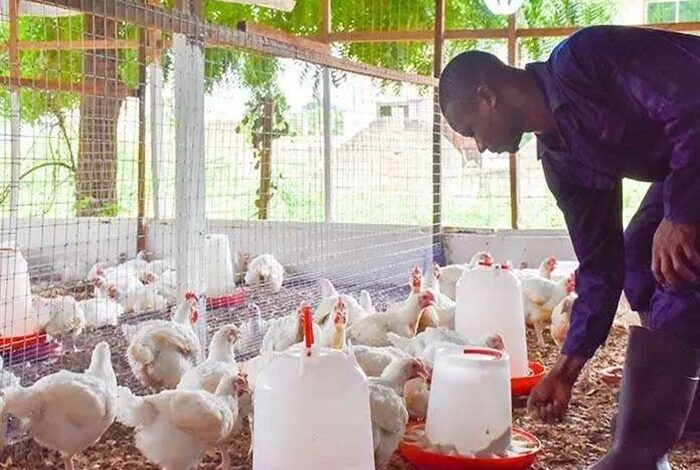
Poultry farmers across the country are urging government to provide clear updates on the much-publicised ‘Nkoko Nkitinkiti’ Project, which has stalled since its launch in June.
The flagship initiative, announced as a key intervention in the agricultural sector, is projected to support over 55,000 households, create thousands of jobs for young people, and cut down Ghana’s annual poultry import bill, estimated at more than USD300 million.
But the delay has created uncertainty within the industry. Farmers say the lack of information is disrupting production schedules and making market planning difficult.
“It’s been touted for a long time, but from where we sit, I don’t know what is holding back the launch of the programme. What we are asking for is an update to farmer associations on the current state of the project, so we can plan accordingly,” said Kwame Anim Somuah, President of the Greater Accra Poultry Farmers Association.
He noted that timelines are crucial in farm management.
“If we know it will be launched within the next month or two, farmers will be better prepared for participation and processing. For instance, if I raise my birds now, in less than two months they’ll be ready. But the question is, when they are fully matured, where do I take them?” Mr Somuah noted.
Government has positioned the Nkoko Nkitinkiti initiative as a central pillar of efforts to strengthen the link between agriculture and industry.
In his State of the Nation Address earlier this year, President John Dramani Mahama reaffirmed his administration’s commitment to value addition, processing and distribution in agriculture, emphasising that such policies would make the sector “more profitable and appealing to young people.”
The project was announced alongside the AgriNext Programme, which is expected to give young farmers access to land banks and connect graduates to opportunities within the agricultural value chain.
However, industry players insist that beyond policy declarations, there must be transparency and timely communication.
“The poultry sector is already burdened by high costs and cheap imports. A programme like Nkoko Nkitinkiti could be a game-changer, but farmers need clarity, not silence,” Mr Somuah added.