Cheque values rise as use declines
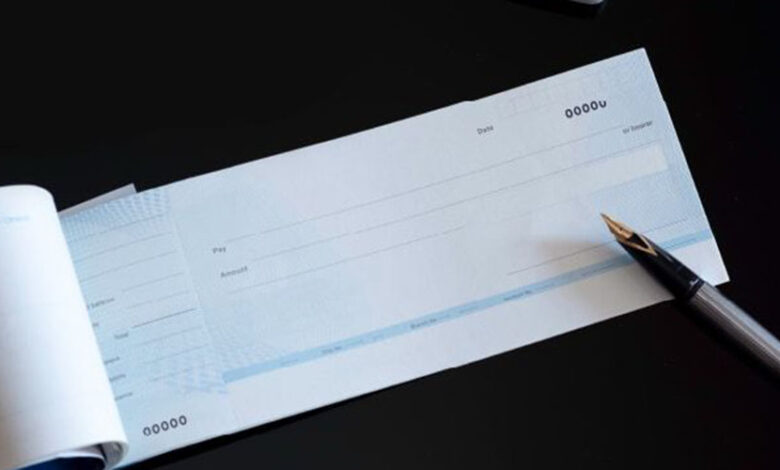
The 2024 Financial Stability Review has revealed a striking divergence in Ghana’s payments landscape: cheque transactions are carrying significantly more value even as their overall usage declines.
According to Bank of Ghana data, the total value of cheque-based transactions under the Cheque Codeline Clearing (CCC) system surged by 30.97 percent in 2024, reaching GHS384.96 billion.
This marks a sharp rise from the GHS293.93 billion recorded in 2023.
However, the volume of interbank cheque transactions dipped marginally by 0.15 percent, signalling that while fewer cheques are being issued, they are increasingly used for high-value payments.
Analysts attribute the trend to large corporate settlements, institutional disbursements and other transactions where cheques remain the preferred instrument due to established protocols and perceptions of security.
The report also highlighted parallel trends on the Ghana Interbank Settlement (GIS) platform, which is a key channel for large-value payments between banks. In 2024, GIS transaction values soared by 78.12 percent to GHS6.13 trillion, despite a 6.07 percent drop in transaction volumes.
This reinforces the broader shift towards fewer but substantially larger financial transfers within the banking system.
While traditional instruments like cheques maintain their relevance in select market segments, digital payment platforms continue to dominate Ghana’s evolving financial ecosystem.
The Ghana Interbank Payment and Settlement Systems (GhIPSS) Instant Pay service processed 161.2 million transactions worth GHS355.07 billion in 2024. This represents a 32 percent increase in value compared to the previous year.
Internet banking usage also experienced robust growth, with transaction values jumping 114.9 percent to GHS212.44 billion.
This surge underscores the increasing confidence of both consumers and businesses in online banking channels, driven by improvements in security, user experience and the widespread adoption of mobile-friendly platforms.
Sector observers note that the contrasting trends, rising cheque transaction values alongside accelerating digital adoption, reflect a transitional phase in Ghana’s payments market.
While corporates and public institutions continue to rely on cheques for certain high-value operations, SMEs, retail businesses and individuals are increasingly gravitating towards real-time electronic payments for convenience and speed.
The Bank of Ghana has encouraged financial institutions to maintain a balanced approach. This means ensuring that traditional payment methods remain secure and efficient, while also expanding access to faster, technology-driven options.
For businesses, the data presents a strategic consideration. To remain competitive, payment strategies must integrate the trust and compliance benefits of cheques with the agility of modern digital channels.
As Ghana’s payment systems continue to evolve, experts predict that cheque volumes will gradually decline over the medium term. However, the instrument is expected to retain a niche role in certain transactions, particularly in high-value corporate and government payments where legal and operational frameworks still favour its use.