

BoG to meet banks over foreign exchange auctions, liquidity woes
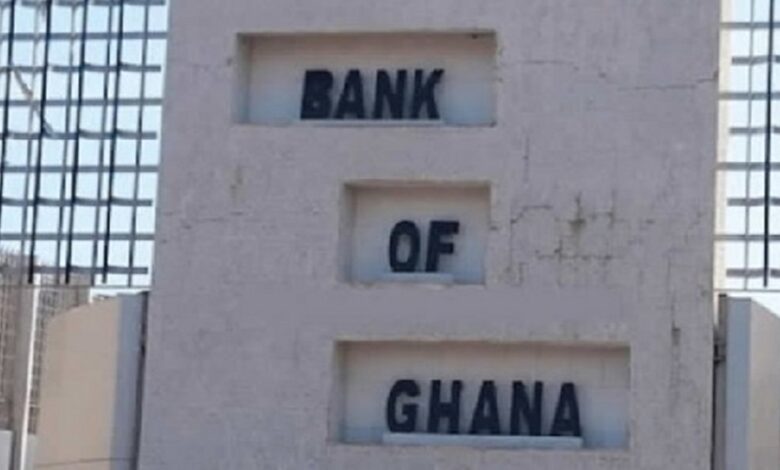
The Governor of the Bank of Ghana (BoG), Dr Johnson P. Asiama, has announced that the central bank will hold discussions with the Ghana Association of Banks in the coming days to address concerns over forward foreign exchange auctions and liquidity constraints within the banking sector.
Speaking at a brief meeting with chief executives of commercial banks in Accra, Dr Asiama said the talks will aim at improving the efficiency of the foreign exchange market, streamlining auction processes and ensuring that banks maintain sufficient liquidity to meet the needs of businesses and households.
“We are committed to enhancing market functioning and ensuring that liquidity challenges are addressed in a way that supports both financial stability and economic growth,” he said.
Policy Rate Outlook
The Governor also hinted at the possibility of further easing of the monetary policy stance if current economic trends persist.
“There is hope for further easing,” Dr Asiama stated, noting that any policy rate reduction would be considered only if inflation continues to ease and market conditions remain stable.
However, he stressed that the central bank will act cautiously to protect the gains made in macroeconomic stability, warning that premature or excessive rate cuts could reverse recent progress.
Recent Policy Actions
At its most recent Monetary Policy Committee (MPC) meeting, the BoG reduced the policy rate from 28 percent to 25 percent. The decision was informed by a sustained decline in inflation, relative stability of the Ghana cedi and improved foreign reserves. The central bank noted that these factors created room for a modest easing of monetary policy without undermining macroeconomic stability.
Inflation has been on a steady downward path in recent months, supported by a stable exchange rate and favourable supply conditions. Improved reserve levels have also strengthened the central bank’s capacity to intervene in the foreign exchange market when necessary.
Analyst Perspectives
Market analysts suggest that a further policy rate cut could significantly lower borrowing costs, encourage private sector lending and stimulate economic activity, particularly in credit-dependent sectors such as manufacturing, trade and construction. However, they caution that global economic uncertainties and domestic fiscal pressures could influence the pace and scope of future monetary easing.



