Banks pledge cheaper loans as rates fall
By Praisebell Rosemond Larbi
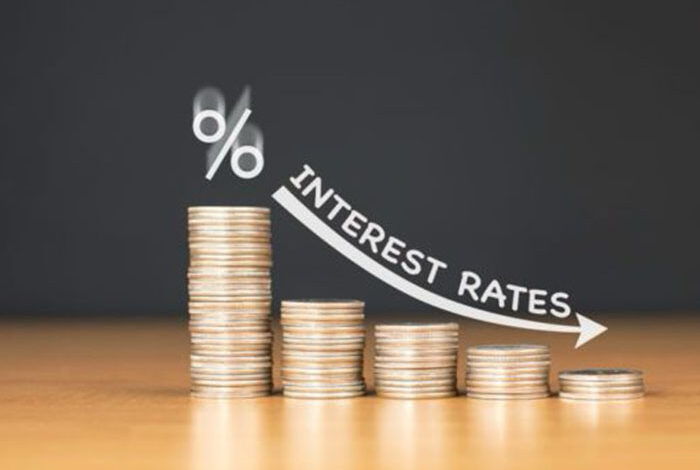
The Ghana Association of Banks (GAB) has pledged to pass on recent reductions in the policy and reference rates to businesses and households, promising more affordable borrowing costs in the months ahead.
The commitment was reiterated on Monday, 11 August 2025, when the association’s leadership visited the Ceremonial Gardens of Jubilee House to lay a wreath in honour of the eight people who tragically lost their lives in last week’s military helicopter crash.
Speaking to the media on the sidelines, Chief Executive Officer of the GAB, John Awuah, said the industry was fully aligned with efforts to ease credit conditions, particularly in light of the Bank of Ghana’s recent policy rate cut.
“With the policy rate now at 25 percent and the Ghana Reference Rate (GRR) falling to 19.67 percent in August from 29.72 percent in January, borrowers with facilities pegged to the GRR should expect a corresponding drop in their lending rates. The reference rate has reduced significantly, essentially carrying the full weight of the policy rate cut. So if your facility rate is benchmarked to the Ghana Reference Rate, you should see that full reduction reflected in your loan terms,” Mr Awuah explained.
The GRR’s decline of 10.05 percentage points since the beginning of 2025 marks a sharp turnaround from the same period in 2024, when the rate remained above 29 percent for most of the year.
Financial analysts attribute the downward trend to improved macroeconomic conditions, with inflation easing and the cedi showing greater stability, alongside deliberate monetary easing by the central bank.
In its latest decision, the Bank of Ghana’s Monetary Policy Committee cut the benchmark policy rate from 28 percent to 25 percent, citing the need to support private sector growth and sustain the economic recovery.
The move is expected to feed through to commercial lending rates, helping to reduce financing costs for businesses, particularly small and medium enterprises (SMEs), as well as households.
Economists say if banks deliver on their pledge, the lower interest rate environment could stimulate investment, encourage expansion in productive sectors, and relieve pressure on consumer spending.
However, they caution that other factors such as credit risk premiums, operational costs and liquidity management strategies will determine how quickly and fully rate cuts are passed on.
For now, businesses and households are being advised to engage their lenders to review existing loan agreements or negotiate better terms, especially where rates are directly linked to the GRR.