POS is changing how Ghana buys
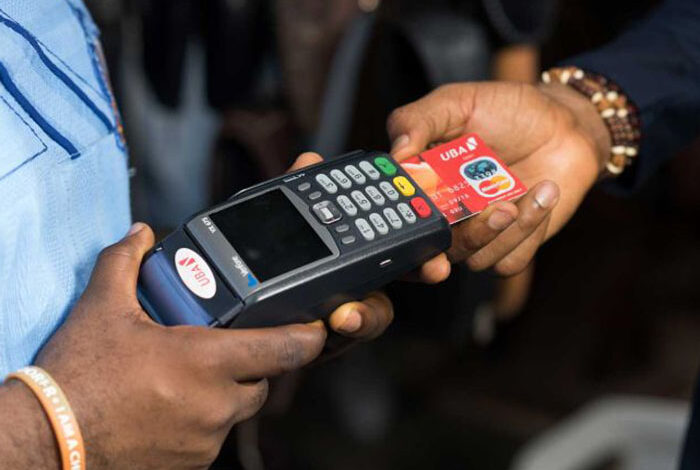
The country is undergoing a quiet revolution, one swipe at a time. The surge in Point of Sale (POS) terminals, growing by over 2,000 units within a year, is much more than a digital upgrade. It marks a shift in mindset and opens an era where financial inclusion, business efficiency, and economic transparency become everyday reality.
For years, cash ruled the corridors of commerce. It was tangible, fast, and familiar. But the downsides are undeniable: poor traceability, security concerns, and limited reach for businesses that want to scale.
The new POS boom rewrites that narrative. From supermarkets to petrol stations, from Accra malls to rural kiosks, electronic payment points are empowering merchants to serve broader, card-carrying clientele.
With every beep and printed receipt, businesses, especially small and medium-sized enterprises, are stepping into a modern marketplace where growth isn’t stifled by coins and crumpled notes.
For individual consumers, POS terminals deliver what cash never could: safety, speed, and control. Digital transactions allow users to track spending, plan budgets, and avoid unnecessary trips to the ATM. It’s a practical solution that fits neatly into lifestyles shaped by mobile technology and urbanization.
The implications for the country’s broader economy are equally powerful. As more transactions flow through POS channels, the informal sector shrinks, and economic activity becomes easier to quantify.
Policymakers can harness this data for smarter decisions. Banks and fintech companies can design services that match the realities of Ghana’s business climate. Even government revenue collection stands to gain as traceability improves and leakages reduce.
However, momentum does not equal success. The dip in POS activity earlier this year suggests that infrastructure gaps remain. Power outages, unreliable connectivity, and limited training for users can easily blunt the impact of this promising tool. If the network is not maintained and expanded, a transformation that is within reach may stall.
This is why the business community, financial institutions, and government regulators must stay focused. The investment must continue, not just in machines, but in awareness, accessibility, and user confidence. POS technology is not a silver bullet, but it is a foundational block in building a resilient, digital Ghana.
Ghana now has the opportunity to leapfrog outdated systems and set a new benchmark for commerce in Africa. The POS revolution is not just about machines. It is about mindsets. If nurtured properly, it could mark a turning point for a smarter, stronger business future.