Ghana launches team to recover stolen cultural artifacts
By Samuella Antwi
The country is intensifying efforts to reclaim its looted cultural treasures with the formation of a national focal team dedicated to restitution and reparations.
Led by the Ministry of Tourism, Culture and Creative Arts, this initiative aims to restore the nation’s stolen artifacts and cultural identity.
Speaking at the launch, Sector Minister Abla Dzifa Gomashie emphasized the deeper significance of the move.
“This is not just about artifacts. It’s about our story, our identity, and the dignity that was stolen from us. The youth must understand that you cannot look forward without knowing where you are coming from,” the Minister noted.
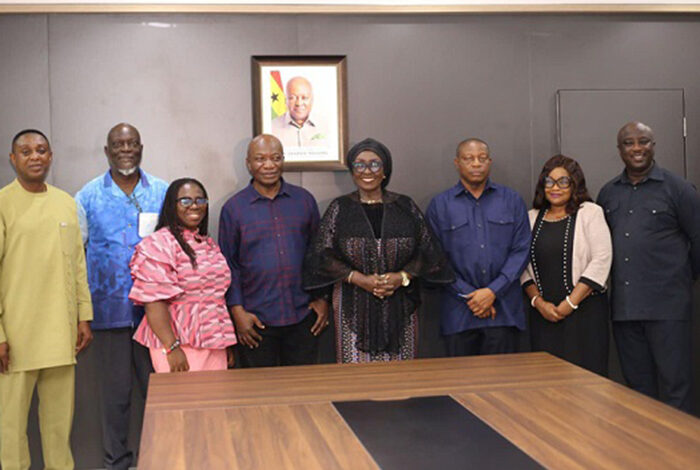
The team, made up of legal experts, academics, diplomats, and heritage professionals, is tasked with identifying, documenting, and negotiating the return of sacred regalia and symbolic items taken during the colonial era. Their work will also support broader reparative justice efforts.
Professor Kojo Gavua, an archaeologist and cultural heritage expert at the University of Ghana, revealed that groundwork has already begun. Public workshops have been held in Cape Coast, Bolgatanga, Ho, and Accra, with growing international cooperation.
Notable successes include the Durban Museum in South Africa agreeing to return two Asante artifacts, while the Fowler Museum in the U.S. has repatriated a gold item and expressed willingness to return more. The National Museum of the Netherlands has also submitted a catalogue of Ghanaian-origin artifacts for review.
Professor Gavua noted Ghana’s participation in international committees focused on revising cultural restitution policies, particularly regarding items looted from Kpando.
UNESCO’s country representative, Mr. Carl Ampah, praised Ghana’s leadership in ratifying international conventions against illicit trade in cultural property. These legal tools now strengthen Ghana’s position in seeking formal repatriation.
The focal team will collaborate with regional and international bodies such as ECOWAS, the African Union, and UNESCO to advance the continent-wide call for cultural restitution and reparative justice.