

Energy Ministry to roll out electric vehicles for Ministers in Accra
The Ministry of Energy and Green Transition has announced plans to present a Cabinet proposal seeking approval for the procurement of electric vehicles (EVs) for ministers operating within the Accra metropolis, as part of broader efforts to promote sustainable transport and reduce Ghana’s carbon emissions.
The move forms part of the government’s wider energy transition strategy, with the proposal also aimed at cutting down on public expenditure on fuel and showcasing state leadership in adopting environmentally friendly technologies.
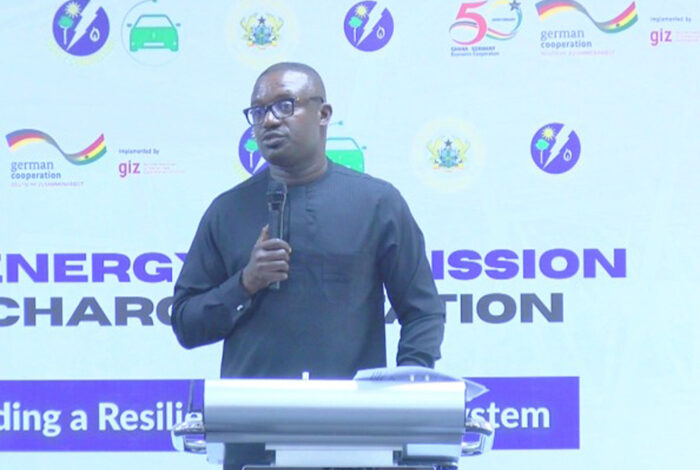
Speaking at the commissioning of a 60-kilowatt solar-powered electric vehicle charging station at the Energy Commission in Accra, the Minister for Energy and Green Transition, John Abdulai Jinapor, described the shift as both an economic and ecological imperative.
“Transitioning to EVs is both an environmental decision and an economic one. Electric buses and vehicles generally have lower operating costs than traditional fossil fuel-powered vehicles. This implies long-term savings for transport operators, reduced fares for commuters, and less exposure to volatile fuel import markets,” he stated.
The proposal, once approved, will mark the beginning of a pilot phase restricted to Accra, with plans to extend the initiative to other government officials and regions over time. Expected benefits include reduced operational costs, decreased reliance on fuel imports, and progress toward Ghana’s commitments under international climate agreements.
The newly inaugurated solar-powered charging station, located on the premises of the Energy Commission, forms part of the Commission’s Drive Electric Initiative (DEI), aimed at fostering the adoption of EVs nationwide.
The station is intended not only as a practical step in promoting EV usage but also as a symbol of the country’s growing commitment to renewable energy and green infrastructure.
Since 2021, the Energy Commission has rolled out a series of programs to support EV adoption, including Ghana’s first E-Mobility Conference, various public engagement forums, and a baseline study on EV uptake. A Market Opportunity Study on Charging Infrastructure has also been completed to guide investment decisions and regulatory planning.
A draft regulation for EV charging stations and battery swap systems is currently under review to ensure standardization and regulatory clarity for EV-related infrastructure nationwide.
Acting Executive Secretary of the Energy Commission, Eunice Biritwum, highlighted the collaborative nature of the initiative and its significance for the country’s sustainable development agenda.
“The initiative represents a significant milestone in our commitment to clean energy and sustainable transport,” she said. Ms. Biritwum further noted that the Commission is partnering with the Ministry of Transport, private sector stakeholders, and international development partners to accelerate the deployment of EV infrastructure and vehicles across both public and private sectors.



