Ghana steps up blood care to tackle cancer and sickle cell burden
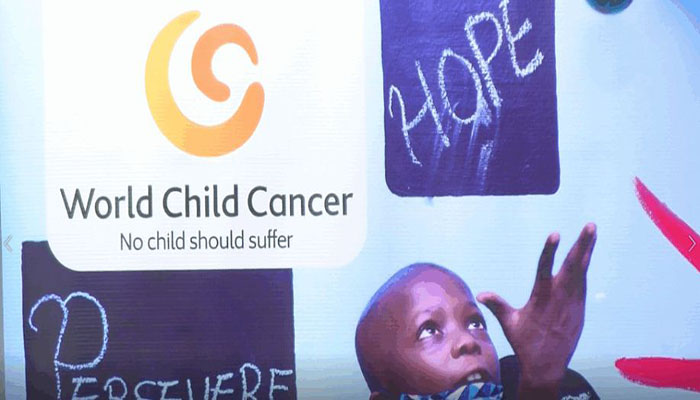
Efforts to improve the survival chances of patients with childhood cancer and sickle cell disease in the country are advancing, as health experts ramp up training and public education to strengthen the blood care system.
Current survival rates for these conditions remain below 50 percent, largely due to late diagnosis, limited access to treatment, and a critical shortage of trained hematology professionals.
To address these challenges, World Child Cancer has launched the Strengthening Hematology Skills Project—a nationwide initiative aimed at boosting both clinical and psychosocial care for blood-related conditions.
The program focuses on improving the management of blood supplies while enhancing emotional and mental health support for patients, particularly those battling leukemia and sickle cell disease, for whom blood transfusions can be life-saving.
Adwoa Pinamang Boateng Desu, Country Coordinator for World Child Cancer, said the project was developed to address long-standing gaps in hematology care and to ensure safer, more effective blood transfusions across Ghana.
“With the ongoing challenges of transfusion reactions, limited funding, and poor management of blood disorders, we launched this project to strengthen hematology care in Ghana,” she noted.
Supported by global biopharmaceutical company Bristol Myers Squibb, the project has so far trained 282 healthcare professionals, including 14 oncology pharmacists, using a “training-of-trainers” model designed to expand the initiative’s reach across various regions.
Educational and communication materials on blood transfusion procedures for conditions like sickle cell disease and leukemia were also developed in collaboration with the Health Promotion Division of the Ghana Health Service. These materials are being used in both clinical settings and public education campaigns to raise awareness and promote best practices.
One of the major barriers to improving blood care in Ghana is the widespread misinformation surrounding blood donation. Deep-rooted cultural myths, including fears that donated blood is used for occult practices, have discouraged many potential donors, contributing to frequent shortages and dangerous treatment delays.
Dr. Shirley Owusu-Ofori, Chief Executive Officer of the National Blood Service, rejected these claims, emphasizing the transparency and accountability of Ghana’s blood donation system.
“Every unit of blood donated is fully traceable from the point of donation to the recipient. Even discarded units are properly accounted for,
“The National Blood Service does not collaborate with any spiritual or non-clinical entities. All blood is used strictly for medical purposes,” Dr. Owusu-Ofori stressed.
She added that the Service is ramping up efforts to rebuild public trust through continuous media engagement and targeted education campaigns aimed at debunking dangerous myths that undermine national health efforts.