Ghana-made pads initiative to empower girls and fuel economic growth
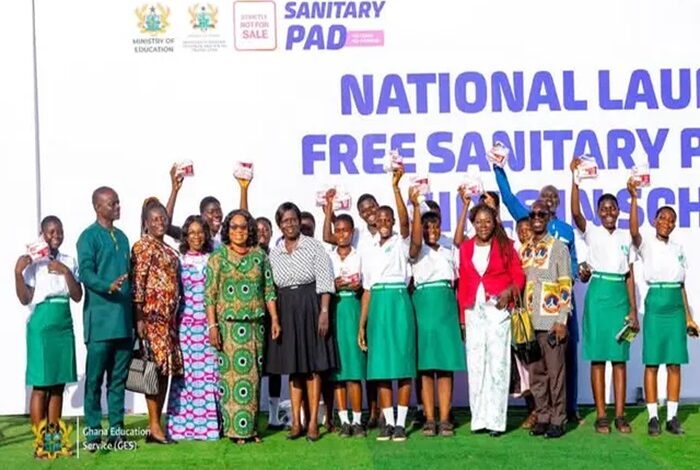
The recent announcement that sanitary pads for schoolgirls under the National School Support Initiative will soon be produced locally marks a promising new chapter for Ghana’s economic and social development.
While the free sanitary pad program was launched in April 2025, providing much-needed hygiene support to millions of schoolgirls nationwide, the shift toward local production is a strategic move that could have far-reaching benefits for the country.
This policy is not just about menstrual hygiene management; it is a powerful tool to stimulate Ghana’s manufacturing sector and create jobs. By sourcing pads exclusively from local manufacturers, the government is setting a clear agenda to reduce import dependence, conserve foreign exchange, and promote industrialization. This aligns with the broader national vision of economic self-reliance and sustainable development.
Local production will open up opportunities across the entire supply chain, from raw material sourcing and manufacturing to packaging and distribution. These activities require labor, skills, and innovation, meaning that more Ghanaians, especially youth, can find meaningful employment. With youth unemployment still a pressing challenge, initiatives like this that foster industrial growth are critical to the country’s future.
Furthermore, empowering local producers, many of whom are small and medium enterprises led by women, fosters inclusive economic growth. Supporting women entrepreneurs in the sanitary product industry helps address gender disparities and enhances women’s financial independence. The ripple effect of such empowerment can reach households and communities, uplifting lives beyond just those directly involved in production.
Quality assurance is central to this policy’s success. The involvement of regulatory bodies like the Ghana Standards Authority (GSA) and the Food and Drugs Authority (FDA) ensures that schoolgirls will receive safe and reliable products. This commitment to high standards will boost consumer confidence in locally made goods and encourage a culture of excellence within Ghana’s manufacturing sector.
Critics may raise concerns about potential challenges in scaling local production or cost implications. However, with appropriate government support, including technical assistance, tax incentives, and subsidies, local manufacturers can meet demand efficiently and competitively. A well-structured partnership between government agencies and the private sector will be key to overcoming these hurdles.
Importantly, this initiative also supports social development goals. Reliable access to sanitary pads is directly linked to improved school attendance and performance among girls. By addressing menstrual hygiene needs, the government helps remove barriers to education, contributing to a more educated and productive workforce in the long term.
The move to locally produce sanitary pads for schoolgirls is a multidimensional opportunity. It strengthens Ghana’s economy by fostering industrial growth and job creation, empowers women entrepreneurs, and enhances the well-being and education of young girls. Such integrated policies, which marry economic strategies with social progress, are exactly what Ghana needs to accelerate its development journey.
All stakeholders — government, civil society, and private sector, should unite to support and sustain this initiative. Doing so will not only improve the lives of Ghanaian girls but also fortify the nation’s economy, building a foundation for a more prosperous and inclusive future.