Ghana’s Economic Woes persist
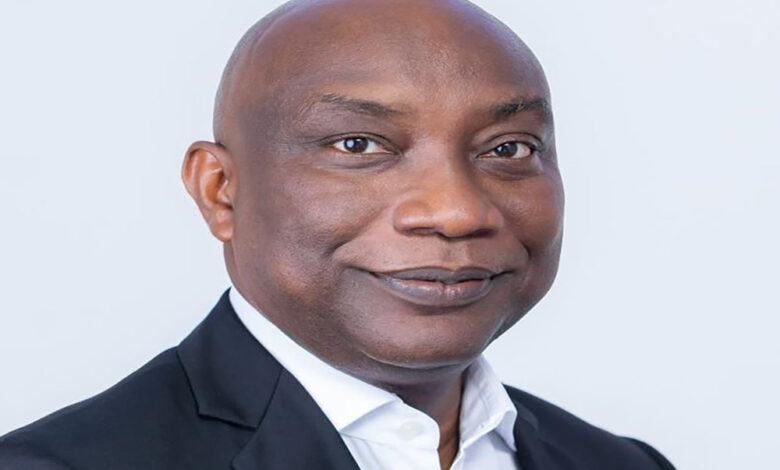
– 2 Years after signing onto IMF programme – C-NERGY
Story: Isaac AIDOO, Accra
TWO years after Ghana signed onto a $3 billion bailout program with the International Monetary Fund (IMF), investment banking firm C-NERGY has expressed doubts about its effectiveness in addressing the country’s long-standing economic challenges
In its assessment of Ghana’s 2024 mid-year fiscal review, the firm revealed that while there have been some improvements, key structural issues remain unresolved.
According to C-NERGY, Ghana’s dependence on imports continues to weaken the cedi, which lost 18.6% of its value against the US dollar. Despite this being an improvement over prior years, C-NERGY noted that this has not significantly altered the country’s economic fragility.
Inflation and Borrowing Costs
Inflation, which surged from 10% in 2021 to a peak of 54.1% in December 2023, has since dropped to 22.8% by mid-year 2024 following the IMF bailout. However, C-NERGY points out that the cost of borrowing remains prohibitive, with bank lending rates exceeding 35%.
“Businesses cannot be expected to thrive under such high borrowing costs,” the firm warned, adding that fiscal austerity measures have led to excessive taxation, further stifling private sector growth.
The firm emphasized that despite a reduction in Treasury bill rates from nearly 40% to mid-30%, the government continues to crowd out the private sector. “At such rates, no business can compete with government for funding,” C-NERGY noted.
Rising Costs and Economic Strain
C-NERGY highlighted the strain on everyday Ghanaians, who are dealing with skyrocketing prices for basic goods. Many have had to cut back on nutritious food, medical appointments, and other essentials.
The Domestic Debt Exchange Program (DDEP) has been particularly devastating, with some investors losing up to 40% of their capital, while businesses face soaring production costs. Additionally, non-performing loans (NPLs) rose from 16.6% in December 2022 to 20.7% by the end of 2023, further stressing the banking sector.
C-NERGY raised concerns about the Central Bank’s recent monetary policies, including changes to the Cash Reserve Ratio (CRR) and Loan Deposit Ratios (LDRs), which aim to boost lending to productive sectors. However, the firm questioned whether excess liquidity in the market, particularly after the DDEP, is being effectively addressed.
Challenges in Revenue Mobilization
Ghana’s heavy reliance on imported goods continues to exacerbate its foreign exchange demand, while its export earnings remain vulnerable to global commodity price fluctuations.
In the first half of 2024, total exports grew by 13.4% to US$9.23 billion, driven largely by gold exports. However, lower cocoa production offset this growth, limiting the benefits from rising cocoa prices.
C-NERGY also highlighted the country’s fluctuating international reserves, which dropped from $9.7 billion in 2022 to $6.6 billion by the end of that year, due to external debt servicing and import demands. The firm expects Ghana to maintain a mid-year import cover of 3.1 months, in line with IMF program targets.
Structural Reforms and Fiscal Challenges
While the IMF program’s focus on structural fiscal reforms has led to some improvements, C-NERGY argued that revenue mobilization remains a major challenge.
The firm pointed out that total revenue for the first half of 2024 was GH¢74.6 billion (7.1% of GDP), falling short of the target by 1.9%.
Expenditures were also below budget, but C-NERGY warned that cuts to infrastructure spending, particularly capital expenditure (CAPEX), could undermine growth prospects. “The removal of Central Bank financing has helped achieve the fiscal deficit target, but without sufficient investment in infrastructure, the growth we seek will remain elusive,” the firm concluded.