Tasting Ghana: Why the nation’s culinary heritage could be the future of tourism
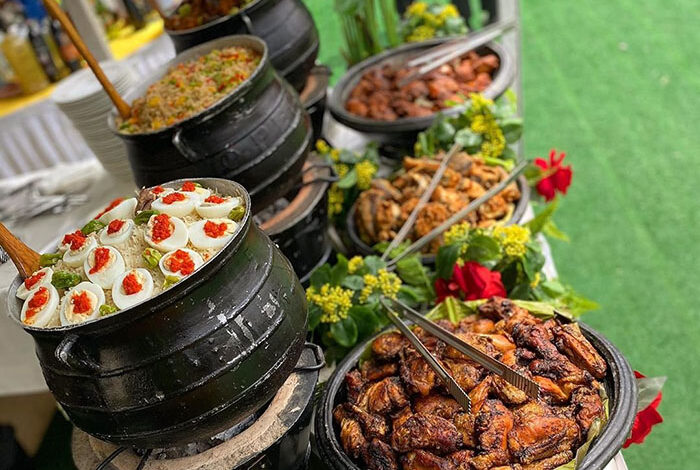
As Ghana steadily strengthens its profile as a prime destination for African tourism, a growing number of advocates are drawing attention to an overlooked but powerful asset in the country’s cultural arsenal—its food. From roadside grills to regional delicacies passed down through generations, Ghana’s culinary heritage offers a deeply immersive experience for visitors seeking more than scenic views and historic castles.
On a recent episode of Roots and Routes, a popular tourism and hospitality program on ZED 101.9 FM, host Nii Solomon and guest Elorm, a tourism entrepreneur, delved into how Ghanaian cuisine could serve as a compelling attraction for both domestic and international tourists. Elorm reflected that food is not merely sustenance, but identity—and when tourists sit down to taste jollof rice cooked over firewood or enjoy akple with spicy abobitadi, they are engaging with Ghana’s story, one bite at a time. He emphasized, “To know Ghana, you must taste Ghana—and the world is hungry for that experience.”
The conversation sparked a compelling proposition: why not dedicate March—Ghana’s independence month—to promoting traditional meals across restaurants nationwide? A campaign of this sort could require that 90% of dishes served in restaurants during the month be indigenous Ghanaian meals. Supporters of the idea believe such an initiative would not only boost national pride but also provide economic benefits for farmers, fisherfolk, and small food vendors while helping Ghana distinguish itself in the competitive tourism market.
However, the suggestion hasn’t gone unchallenged. Some critics question the feasibility of such a mandate and argue for incentive-based models rather than policy enforcement. They propose that the government provide grants, organize culinary events, or offer tax relief to establishments that highlight traditional dishes. The focus, they argue, should be on encouragement and storytelling—not compulsion.
Elorm and Solomon pointed to Elmina as a powerful example of what food tourism can look like when fully realized. Known for its historical significance and the iconic Elmina Castle, the town also boasts a rich culinary landscape tied to its coastal roots. Elorm painted the picture of a tourist walking through Elmina Castle, then stepping out to enjoy freshly grilled fish or kenkey with pepper sauce by the harbor—eating where traders once gathered. “That’s storytelling on a plate,” Solomon added, capturing how food and history can intertwine to create unforgettable experiences.
Despite this enthusiasm, the journey toward culinary tourism excellence is not without its obstacles. Listener feedback during the show pointed to widespread dissatisfaction with restaurant service standards, highlighting a critical need for customer care training across the hospitality sector. Infrastructure was also raised as a concern—many eateries lack basic tourist-friendly amenities, and traditional food joints often go unnoticed in favor of fast-food chains that dominate the urban dining scene.
Elorm stressed that what Ghana needs is a collaborative effort between chefs, historians, local tour guides, and government bodies like the Ghana Tourism Authority. By creating food trails, hosting regional food festivals, and investing in culinary storytelling, the country can transform eating into an experience that becomes central to how tourists engage with Ghana.
Globally, food tourism has already gained traction, with countries like Thailand, Morocco, and Peru using cuisine to drive cultural exchange and economic growth. Ghana has the raw ingredients to do the same—from waakye wrapped in banana leaves to the hearty northern tuo zaafi. But to make this vision a reality, Ghana must first invest in how its food is presented, served, and celebrated. Ultimately, culinary tourism is not just about food—it’s about emotion, memory, and belonging. As Elorm concluded: “Let tourists remember Ghana not just by what they saw, but by what they savored.”