

Fuel Price Shocks Threaten Ghana’s Inflation Outlook – Analyst
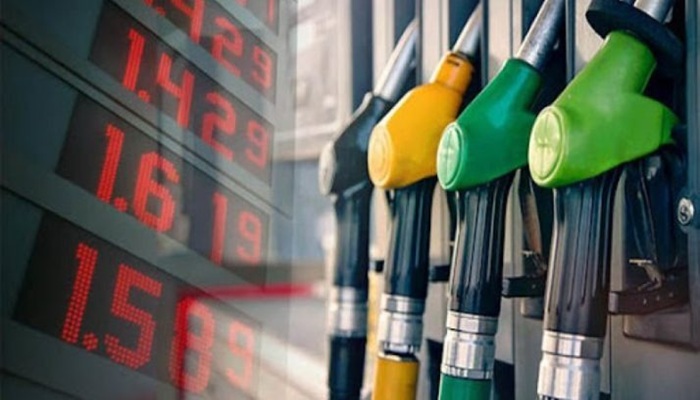
Economic Analyst Emmanuel Boateng has warned that rising global oil prices could trigger a rapid and widespread increase in inflation in Ghana, following a downgrade in the country’s growth outlook.
His comments come after Fitch Solutions revised Ghana’s GDP growth forecast downward from 5.9 percent to 5.5 percent, citing escalating tensions in the Middle East and disruptions around the Strait of Hormuz, a critical route for global oil shipments.
Speaking on Business Breakfast on ZED 101.9FM, Mr. Boateng explained that fuel price increases are typically transmitted quickly into the Ghanaian economy, often within days.
“Once news of rising oil prices breaks, it doesn’t take long before fuel price adjustments are announced locally,” he said.
According to him, transport operators are usually the first to respond to fuel price hikes by increasing fares, a move that has immediate implications for inflation. Transport costs, he noted, form a significant component of Ghana’s inflation basket, meaning any increase directly pushes up headline inflation.
Mr. Boateng highlighted broader “second-round effects” that ripple through the economy. As transport costs rise, the cost of moving goods, particularly food items also increases, placing pressure on traders and retailers.
“They pass these costs on to consumers, leading to higher food prices and increased cost of goods, which are major drivers of inflation,” he explained.
He further pointed to indirect effects on utilities and services, especially for businesses reliant on generators or energy-intensive operations. Such firms, he said, face higher operational costs, which are eventually reflected in the prices of goods and services.
“This broadens the inflationary impact beyond fuel and transport. The transmission is both rapid and multilayered, cascading into nearly every sector of the Ghanaian economy,” Mr. Boateng added.
He cautioned that Ghana’s continued dependence on imported fuel leaves the country vulnerable to external shocks, urging a shift towards sustainable and alternative energy sources.
“Until we develop additional and sustainable energy options, we will remain at the mercy of global oil price increases,” he stressed.
The analyst also assured that Ghana’s inflation outlook remains broadly stable despite a slight upward revision by Fitch Solutions.
He noted that the current inflation levels remain significantly lower compared to previous years, when Ghana recorded inflation rates exceeding 50 percent. According to him, this demonstrates a sustained downward trend and improved macroeconomic stability.



