

Policy rate maintained at 27%
The Bank of Ghana’s (BoG) Monetary Policy Committee (MPC) has opted to maintain the policy rate at 27%, citing mixed economic signals as it grapples with inflationary pressures, a volatile exchange rate, and public debt dynamics.
The decision underscores the central bank’s balancing act of controlling inflation while supporting Ghana’s economic recovery.
Inflationary Pressures Persist
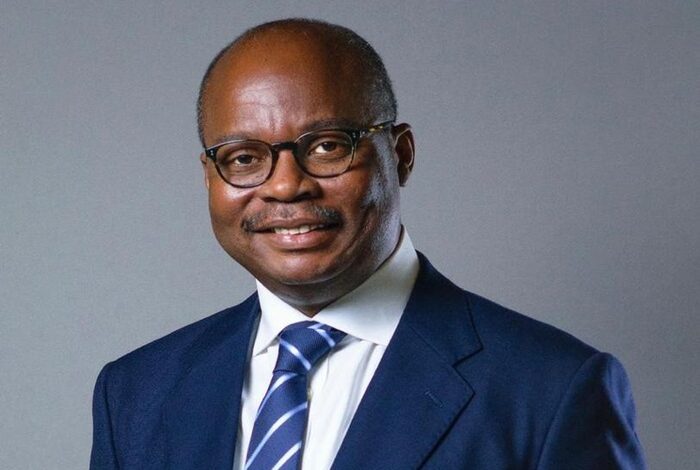
BoG Governor and MPC Chairman, Dr. Ernest Addison said in a statement that inflationary pressures remain high, driven primarily by surging food prices, exchange rate pass-through effects, and adjustments to utility and fuel prices.
While the cedi’s recent stability has helped mitigate some inflationary impacts, earlier sharp depreciation and steep price increases in essential goods have disrupted Ghana’s disinflation trajectory. As a result, the forecasted inflation rate for the next year has been revised upward from 19% to 20.1%.
Dr. Addison acknowledged the complexities of the inflation environment, adjusting the timeline for inflation to return to the BoG’s target range of 6–10% from Q3 2025 to Q4 2025. “The Bank remains committed to its monetary policy stance to stabilize inflation and foster a conducive environment for economic recovery,” he assured.
Public Debt on a Downward Trend
The BoG’s latest Summary of Financial and Economic Data reports a significant reduction in Ghana’s total public debt, which fell by GH¢46.8 billion in October 2024 to GH¢761.0 billion. This represents 74.6% of the Gross Domestic Product (GDP), a notable improvement from the previous month.
In dollar terms, the debt declined by $4.2 billion to $27.9 billion. The external debt component experienced a sharp drop, decreasing by GH¢52.6 billion to GH¢453.7 billion, equivalent to 44.5% of GDP. This marks a significant movement away from the $30 billion benchmark that external debt has hovered around since the beginning of 2024.
On the domestic front, however, debt increased to GH¢307.3 billion, about 30.1% of GDP. Persistent borrowing on the treasury market continues to drive up domestic debt levels, with figures rising from GH¢275.8 billion in February 2024.
Fiscal Performance and Economic Growth
Ghana’s fiscal operations showed progress, with the deficit-to-GDP ratio standing at 3.9% as of July 2024, indicating that government fiscal consolidation measures are on track. However, the primary balance remained in deficit at 1.8% of GDP as of March 2024, underscoring the need for further efforts to boost revenue and manage expenditures.
Meanwhile, Ghana’s nominal GDP reached GH¢1.020 trillion by the end of October 2024, reflecting the broader economic expansion.
The Policy Implications
The decision to hold the policy rate steady suggests that the BoG is carefully navigating a challenging macroeconomic landscape. While the declining public debt offers some fiscal breathing room, the rising domestic debt and persistent inflationary pressures demand a vigilant approach.
The cedi’s relative stability is a bright spot, offering a buffer against imported inflation and improving market confidence. However, the BoG’s continued tightening of monetary policy will need to be complemented by government measures to enhance food supply, reduce fiscal deficits, and address structural inefficiencies in the economy.
Looking Ahead
The central bank’s ability to anchor inflation expectations while supporting economic growth will remain critical. The downward trend in external debt and the cedi’s improved performance provide opportunities to strengthen Ghana’s external reserves and attract foreign investment. However, the rise in domestic borrowing poses a challenge to sustainable debt management. As Ghana moves toward Q4 2025 for inflation stabilization, stakeholders must adopt a coordinated approach to tackle food inflation, boost export earnings, and ensure that fiscal and monetary policies align to achieve long-term macroeconomic stability.



