Address barriers to digital transformation
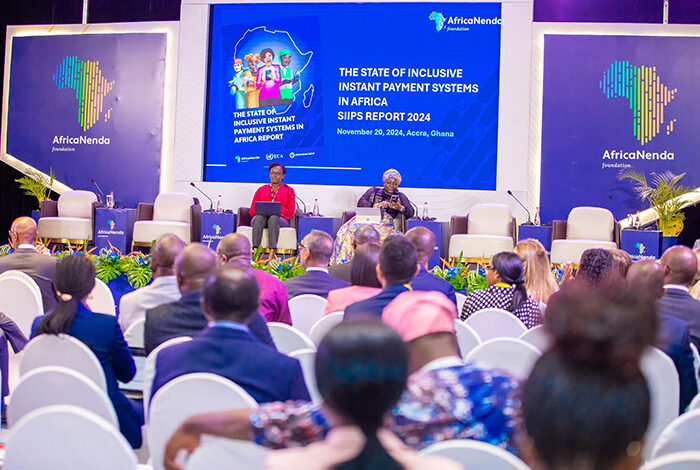
AFRICA’S digital payment ecosystem is undergoing a transformation, with Instant Payment Systems (IPS) at the forefront of this revolution.
Over the past five years, IPS transaction volumes and values have surged by 37% and 39%, respectively.
This growth signifies not only the increasing adoption of digital payments but also the continent’s potential to leverage technology for economic empowerment.
Yet, as promising as this trajectory is, significant gaps remain in achieving full financial inclusivity, particularly for women and vulnerable groups.
The just released 2024 State of Inclusive Instant Payment Systems (SIIPS) Report provides a sobering yet optimistic view of the progress made and the challenges that persist.
It acknowledges the strides made by 31 operational IPS in 26 African countries and the promising developments in 27 additional nations preparing to launch their own systems.
However, it also exposes critical issues—security concerns, network reliability, and inadequate fraud recourse mechanisms—that hinder the adoption of these systems by those who need them most.
For IPS to fulfil their potential, inclusivity must become a central pillar of their development. Financial inclusion is more than a buzzword; it is a driver of economic growth and social equity.
Accessible and affordable digital payment solutions can empower small businesses, enable women to participate in the economy more actively, and open avenues for rural communities to engage in formal financial systems.
Despite the progress, the SIIPS Report highlights that many women still feel unsafe using digital platforms due to fears of fraud and inadequate protections.
This is not merely a technological issue but a systemic one that requires deliberate action. Addressing these barriers is essential if Africa is to achieve its goal of universal financial inclusion by 2030.
The SIIPS Report underscores the need for collaboration among stakeholders, including governments, fintech companies, central banks, and international organizations.
Initiatives like the World Bank’s Project FASTT, which supports countries in developing fast payment systems, are crucial for driving innovation and scaling IPS to meet market demands.
Fintech innovation, particularly through licensing and public-private partnerships, presents a significant opportunity to address gaps in the current IPS landscape.
By investing in robust consumer protection mechanisms, enhancing network reliability, and promoting digital literacy, stakeholders can build a payment ecosystem that inspires trust and fosters widespread adoption.
Africa is at a crossroads. The continent has the opportunity to harness IPS to bridge the financial divide and create a more inclusive digital economy.
However, achieving this vision requires intentional efforts to address the systemic challenges that exclude vulnerable groups.
As the SIIPS Report suggests, the journey toward inclusivity is not just about expanding infrastructure but also about rethinking how these systems serve the people who need them most. The roadmap is clear: build systems that are safe, affordable, and accessible to all. In doing so, Africa can transform its financial landscape, empower its citizens, and set a global benchmark for inclusive digital payments. The time to act is now.