

Galamsey crisis: Call for comprehensive approach
By Daniel NONOR, Accra
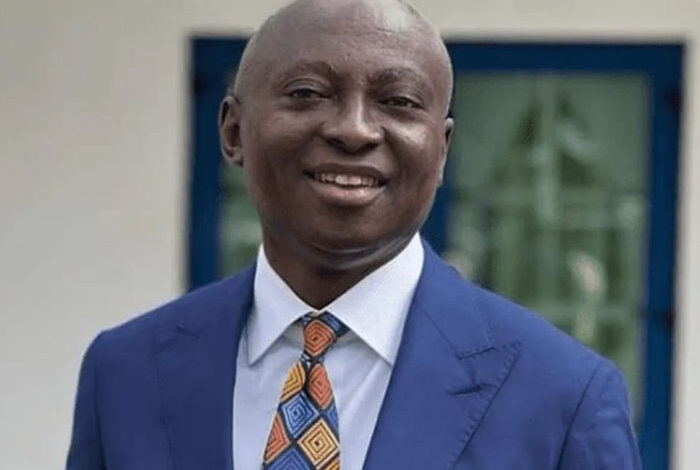
Lawyer and member of Parliament for Abuakwa South, Samuel Atta Akyea, has raised alarm over the severe impact of illegal mining on Ghana’s water bodies, particularly the contamination of rivers by mercury and other pollutants.
This pollution, he says, compromises the quality of fish consumed by the public, leading to significant health risks.
Lawyer Atta Akyea, who spoke to Zed Multimedia on its business roundtable series on the subject, criticized the current situation, noting that profit is often prioritized over environmental protection.
He acknowledged the valid criticisms directed at his party, the New Patriotic Party (NPP) regarding past failures to address the galamsey crisis effectively. “It is a fair assessment of the situation, and indeed, there have been failures,” he admitted.
While commending the president’s efforts to combat illegal mining through a task force composed of police and military personnel, Mr Atta Akyea expressed concerns about corruption within these enforcement bodies.
He indicated that some individuals involved have been bribed, leading to ineffective action against illegal mining activities.
He also emphasized the role of traditional leaders, particularly chiefs, in protecting river bodies. He criticized some chiefs for neglecting their environmental responsibilities in favour of short-term financial gains from illegal mining.
“This issue has become institutionalized and requires a national revolution to address effectively,” he asserted.
He called for a comprehensive approach to solving the galamsey problem, involving all sectors of society beyond just governmental efforts.
Former Chief Executive Officer of the Minerals Commission Dr. Tony Aubynn in his contribution to the subject advocated for significant reforms in Ghana’s mining sector. To improve monitoring and enforcement, Dr. Aubynn announced a future government of the National Democratic Congress will have military helicopters conduct weekly patrols over major water bodies, with immediate action to be taken against any detected illegal mining activities.
Dr. Aubynn noted the inadequacies of the current mining classification system, which only distinguishes between small-scale and large-scale mining operations. He criticized the system for failing to accommodate operators who use heavy machinery and make substantial investments but do not fit neatly into either category.
To address this issue, Dr. Aubynn supported former President Mahama’s proposal to introduce a new classification system encompassing small, medium, and large-scale mining categories.
This re-categorization, he argued, would streamline regulation and monitoring efforts, making it easier for authorities to oversee mining activities and enforce compliance.
Noting the success of regulating large-scale mining companies, which are subject to stringent conditions and regular oversight by the Environmental Protection Agency (EPA), Dr. Aubynn stressed the need for better management of the approximately 7,000 small-scale mining sites in the Western Region alone. He advocated for the requirement of qualified professionals, such as geologists, mining engineers, and environmental experts, to ensure sustainable practices before licenses are granted or renewed.



