The looming relocation crisis—A threat to Ghana’s agricultural export industry
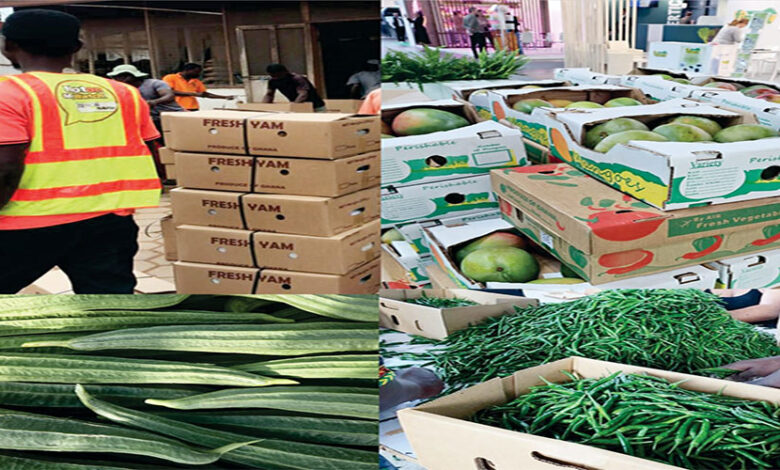
The Vegetable Exporters and Producers Association of Ghana (VePEAG) stands at a critical juncture that could have far-reaching consequences for the country’s agricultural export sector. With over 2,000 members and more than 5,000 jobs at risk, the association faces an imminent threat of eviction from its current premises, a location strategically close to Kotoka International Airport, which is vital for its operations. This potential relocation, stemming from the sale of their premises to a private developer, raises serious concerns about the future of Ghana’s vegetable export industry.
For over 30 years, VePEAG has been a cornerstone of the nation’s agriculture sector, playing a pivotal role in the production and export of high-quality vegetables to both domestic and international markets. The association’s current location near the airport is not merely convenient but essential. It allows for the efficient packaging, storage, and timely shipment of perishable goods, which is critical in maintaining the freshness and quality demanded by international markets. A move away from this strategic hub could spell disaster, not only for the association but for the entire agricultural export chain, leading to significant financial losses and jeopardizing thousands of livelihoods.
The urgency of the situation cannot be overstated. Dr. Felix Mawuli Kamassah, President of VePEAG, has voiced the association’s deep concerns, noting that relocation without a viable alternative would disrupt operations, risking the livelihoods of countless workers and undermining the nation’s agricultural export capabilities. Despite repeated appeals to the Ministries of Agriculture, Trade, and Lands, VePEAG has yet to receive any concrete assurance regarding a new location that would maintain their operational efficiency.
This lack of communication and planning is troubling. The association’s operations have been tailored to their current site, including the recent investment in a €400,000 cold room, designed to enhance harvest management. This kind of infrastructure is not easily moved, and a sudden, poorly planned relocation could render such investments futile, leading to severe financial repercussions.
The broader implications of this potential eviction extend beyond VePEAG. Agriculture is a key pillar of Ghana’s economy, and any disruption in the export of vegetables—an important sub-sector—could have ripple effects throughout the national economy. The loss of jobs, the decline in export revenue, and the potential reputational damage in international markets are all very real risks.
This editorial calls on the government and relevant authorities to urgently address this issue. It is not enough to merely acknowledge the problem; there must be a coordinated effort to find a solution that allows VePEAG to continue its operations without disruption. This includes identifying an alternative site that offers the same strategic advantages as their current location near the airport.
Ghana’s agricultural export sector cannot afford such a setback. The government must prioritize the interests of the sector, ensuring that decisions made in the name of development do not come at the expense of the industries that contribute significantly to the nation’s economic health. The situation at VePEAG is a test of the government’s commitment to supporting the agricultural sector, and it is a test that must not be failed. As the threat of relocation looms, decisive action is needed to safeguard the future of Ghana’s vegetable export industry. The livelihoods of thousands and the integrity of the country’s agricultural exports depend on it.