IMF urges strict adherence to programme
The International Monetary Fund (IMF) has urged Ghana to remain committed to the implementation of the $3 billion loan support program.
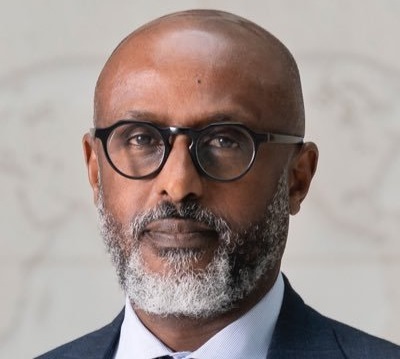
Mr. Abebe Aemro Selassie, African Department Director at the IMF, emphasized the importance of Ghana adhering to the program’s objectives over the next three years.
During a media briefing on Sub-Saharan Africa’s economic outlook and the IMF’s engagement with various countries, Mr. Selassie underscored the significance of Ghana’s continued implementation of the program.
He highlighted the need for Ghana to fulfill the commitments outlined in the program, particularly focusing on areas such as tax administration improvement.
Following the first review of the Extended Credit Facility (ECF) arrangement last month, the Ghanaian government announced several measures, including the implementation of a 15 percent Value Added Tax (VAT) on electricity consumption and a GH₵100 annual emission levy for petrol and diesel car owners.
These actions have sparked agitation from labor and trade unions.
Assessing Ghana’s progress in implementing the Post COVID-19 Programme for Economic Growth (PC-PEG), Mr. Selassie expressed satisfaction, stating that Ghana’s program is being effectively implemented.
He noted the policies implemented by the government to address the imbalances faced in the previous year, leading to positive responses from official creditors regarding debt relief.
Mr. Selassie reiterated the IMF’s commitment to supporting Ghana throughout the program’s implementation, which is designed to span three to four years.
Ghana has received $1.2 billion out of the $3 billion from the IMF so far, with the completion of the first programme review resulting in the disbursement of a second tranche of $600 million in January 2024.
The Ghanaian government has pledged to implement robust and ambitious structural reforms in various sectors, including tax policy, public financial management, financial, energy, and cocoa sectors, to support fiscal consolidation and the growth agenda.