What’s Ghana’s next big export?

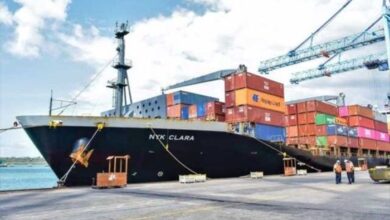
For decades, Ghana’s export economy has leaned heavily on two pillars: cocoa and gold. While these commodities have brought in billions in foreign exchange, they have also exposed the country to the volatility of global markets and the risks of overdependence.
As the world shifts towards diversified and value-added trade, the question confronting Ghana today is simple but urgent: what is our next big export?
The answer may lie in sectors that have long been overlooked or underdeveloped. Shea butter, cashew, textiles, processed foods and digital services are emerging as promising contenders. These industries not only offer export potential but also present opportunities for job creation, industrialisation and inclusive growth.
Take shea butter, for instance. Ghana is one of the world’s largest producers, yet most of it is exported raw with little value addition. With targeted investment in processing and branding, Ghana could position itself as a global leader in natural cosmetics and wellness products. Similarly, cashew exports have surged in recent years, but the lack of local processing means we miss out on higher margins and employment gains.
The textile and fashion industry also holds untapped promise. With a rich cultural heritage and growing global interest in African design, Ghanaian brands could capture international markets if supported by infrastructure, financing and trade facilitation.
Perhaps most exciting is the rise of digital services. Ghana’s tech ecosystem is maturing, with startups in fintech, agritech and edtech gaining regional traction. Exporting digital solutions, software and creative content could redefine Ghana’s place in the global economy, especially as remote work and digital trade become mainstream.
To unlock these opportunities, the country needs a bold export strategy that goes beyond raw commodities. This means investing in value chains, improving logistics, supporting SMEs and negotiating favourable trade agreements. It also requires a mindset shift, from exporting what we have to exporting what the world needs.
Cocoa and gold will remain important, but they cannot carry the weight of Ghana’s future alone. The next chapter of our export story must be written with innovation, diversification and ambition. The world is changing, and Ghana must change with it, not just as a supplier of raw materials but as a creator of value.